Leave Your Message

Top Transformer Carrier Tape Manufacturers in China

China’s electronics supply chain depends on consistent packaging for components moving through automated assembly lines. Transformer Carrier Tape helps hold and present small components, where pocket dimensions, cover-tape sealing, and feed stability can affect placement. A poor fit may cause skewed parts or interruptions at the feeder. Small details matter.

The Semiconductor Industry Association reported global semiconductor sales of $627.6 billion in 2024, up 19.1% from 2023. This figure describes the wider semiconductor market, not transformer carrier tape demand. It offers useful context, but should not be mistaken for a direct market-size estimate. Public industry reports rarely isolate this product category.

This guide examines leading Transformer Carrier Tape manufacturers in China through practical sourcing questions: Can they provide drawings, material specifications, and sample rolls? How do they control pocket pitch, tape width, and sealing consistency? What inspection records support their claims? Buyers should compare these details alongside customization options, production capacity, lead times, and communication quality. A polished brochure is not proof.

Some evidence remains difficult to verify from public information alone. Factory capabilities can vary by product line, and published specifications may not show performance across every batch. That deserves scrutiny. The manufacturers discussed here should therefore be assessed against documented requirements and tested samples, rather than reputation alone. A careful comparison can help engineers and procurement teams identify suppliers suited to their components, equipment, and production needs.
Top Transformer Carrier Tape Manufacturers in China

What Transformer Carrier Tape Is and How It Is Used

Top Transformer Carrier Tape Manufacturers in China

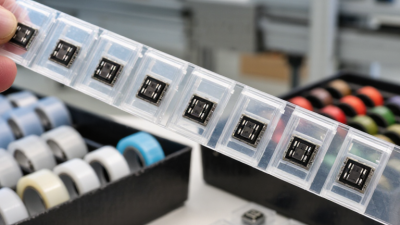
Transformer carrier tape is a packaging strip with formed pockets that hold small components during storage and assembly. For surface-mount transformers, each pocket helps keep the part oriented as a reel moves through an automated placement line. The tape and cover film protect components from rubbing against one another. Small details matter.

Pocket width, depth, and pitch should match the transformer’s shape and the feeder setup. A pocket that is too shallow may let a component shift; one that is too tight can complicate loading or pickup. The cover tape must peel consistently, so equipment can access each part without sudden jumps. In practice, a tidy drawing does not guarantee a smooth production run. Trial feeding can reveal issues that measurements alone miss.

Tips: Check the transformer’s dimensions and orientation before specifying pocket geometry. Test a sample reel on the intended feeder. Watch for tilted parts, uneven cover-film peeling, and damaged leads. Keep a small allowance for tolerances, but confirm it with real components.
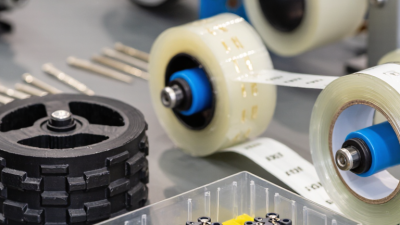

Standard Carrier Tape Widths for Electronic Components

Transformer components can be packaged in pocketed carrier tape for organized handling and automated pick-and-place feeding. The chart shows common nominal tape widths used in electronic-component packaging; the appropriate width depends on the component pocket and feeder compatibility.

Common nominal widths shown: 8, 12, 16, 24, 32, 44, 56, 72, 88, and 104 mm. Actual packaging specifications may vary by component and supplier.

Key Manufacturing Processes and Quality Standards

Transformer carrier tape quality is built into the process, not added at final inspection. Manufacturers typically extrude or calender a polymer sheet, then form pockets by heat and pressure. Tool temperature, sheet thickness, and cooling time affect pocket depth and component fit. A slightly warped pocket can tilt a transformer during automated pickup. Small defect. Big trouble.

Operators should check dimensions during production, not only after winding, when defects are harder to trace.

EIA-481 defines key carrier-tape dimensions, including sprocket-hole placement and pocket geometry. ISO 9001-based controls can support material traceability, calibration, and corrective action, but certification alone does not guarantee a stable product.

Useful checks include optical measurement of pocket pitch, pull-force testing of cover tape, and inspection for burrs or cracks. WSTS’s Autumn 2024 report forecast global semiconductor sales of about US$626 billion in 2024, underlining the scale of component handling needs; it does not prove demand for any one tape type. This distinction matters.

In practice, teams should record lot-level results and verify performance on the customer’s feeder. Some production lines still rely too much on sampling. That is a weakness worth reviewing.

How to Evaluate Transformer Carrier Tape Manufacturers in China

When evaluating transformer carrier tape manufacturers in China, start with your component dimensions and packing process. Ask how the tape holds parts during feeding, transport, and storage. Check pocket length, width, depth, pitch, cover-tape fit, and reel compatibility against a drawing. Small details matter. A pocket that looks acceptable by eye may still let a transformer tilt or catch in an automated feeder.

Request production samples made with the proposed material and tooling. Test them on your own line, not only on a bench. Watch for loose components, uneven sealing, tape curling, and residue after the cover tape is removed. Ask for material specifications, dimensional inspection records, and lot traceability. Ask for evidence. Clear answers are useful, but practical records are better. I would not judge a supplier from one polished sample; it can hide normal production variation.

Discuss how changes are controlled, including adjustments to pocket dimensions, resin, or sealing settings. Ask what happens when a batch falls outside agreed tolerances, and how quickly the team can identify affected reels. Compare lead times and minimum order quantities with your forecast, then confirm them in writing. Communication should be specific. If a manufacturer cannot explain its inspection method in plain terms, pause and ask again. That hesitation may feel fussy, but it can prevent avoidable line stoppages.

Leading Transformer Carrier Tape Manufacturers in China

Leading transformer carrier tape manufacturers in China are distinguished by how well they match tape design to component geometry. Transformer bobbins and related parts can vary in height, weight, and lead position. A precise pocket should hold each part without pinching terminals or allowing movement during transport. Small details matter.

Experienced manufacturers typically review drawings, sample components, and packaging equipment before confirming dimensions. They may check pocket pitch, cavity depth, cover tape adhesion, and reel winding tension. Consistent measurements help reduce jams on automated lines. Ask for inspection records and trial reels, not just a product catalogue. A sample run reveals practical issues early.

Material choice also deserves attention. Some applications need antistatic properties, while others prioritize rigidity or clean release from the cover tape. There is no universal specification. Good suppliers explain trade-offs and document agreed tolerances. They should also describe how defects are identified during production. Still, even a careful process can miss an edge case. Verify fit on your own equipment, especially when changing tape dimensions or loading speed. That extra check is useful.

How to Choose a Manufacturer for Your Production Needs

Top Transformer Carrier Tape Manufacturers in China: How to Choose a Manufacturer for Your Production Needs

Choosing a transformer carrier tape manufacturer starts with the component, not the catalogue. Measure body width, lead spacing, and maximum height, then confirm pocket depth and orientation on a sample reel. For surface-mount parts, check sprocket-hole pitch and cover-tape sealing against EIA-481 requirements. Material matters too: antistatic polystyrene may suit many parts, while heavier components can need stiffer tape. A small mismatch can tilt a transformer or jam a feeder. It happens.

SEMI reported that global semiconductor equipment sales reached US$117.1 billion in 2024, up 10% from 2023. This growth reflects continued investment in production, where packaging consistency can affect line efficiency. Ask prospective manufacturers for dimensional inspection records, material specifications, and lot traceability. Request a pilot run using your actual transformer and feeder. Review pocket variation, tape flatness, and cover-tape peel behavior—not just quoted tolerances. A clean sample is encouraging, but repeatability across production lots matters more.

Tips: Send a dimensioned drawing and clear part photos. Confirm reel size, winding direction, and lead time in writing. Keep one approved sample for comparison. Even with good checks, a first run may reveal an issue you did not anticipate. That is worth building into your qualification plan.