Top SMD Electronic Component Carrier Tape Manufacturers
Choosing among the Top SMD Electronic Component Carrier Tape Manufacturers requires more than comparing catalog prices. The tape must protect tiny components, preserve accurate pocket dimensions, and support stable high-speed feeding. A poorly matched design can cause component rotation, pocket jams, static damage, or unnecessary production stoppages. These failures often begin with details that look harmless.
Dr. Hiroshi Takahashi, a veteran electronic-packaging engineer, has stated, “Carrier tape is not passive packaging; it is part of the placement process.” That principle deserves attention. Smd Electronic Component Carrier Tape affects component orientation, pick-and-place accuracy, sealing performance, and operator confidence. Film selection matters. Pocket depth matters. Cover-tape adhesion matters even more when reels travel through humid warehouses or automated lines.
Small differences become expensive.
Leading manufacturers usually combine precision forming, antistatic control, dimensional inspection, and dependable technical support. Their strongest products are not judged by appearance alone. Engineers should review pocket geometry, material compatibility, surface resistance, reel specifications, and performance across real feeder settings. Trial runs remain essential. Laboratory results cannot reveal every production problem.
The comparison also needs a practical lens. Some suppliers offer excellent customization but slower response times. Others provide fast delivery, yet limited engineering guidance. Neither strength is sufficient by itself. A responsible buyer should verify test data, traceability, and customer references before approval. Even experienced teams can overlook a tolerance issue. That is why this guide examines leading manufacturers through measurable performance, manufacturing experience, application knowledge, and supply reliability. The evaluation may not be perfect, but it aims to be useful, transparent, and grounded in actual assembly conditions.

What SMD Electronic Component Carrier Tape Is and How It Works
Top SMD Electronic Component Carrier Tape Manufacturers
What SMD Electronic Component Carrier Tape Is and How It Works
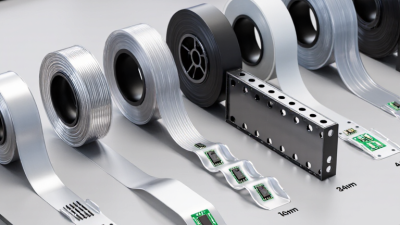
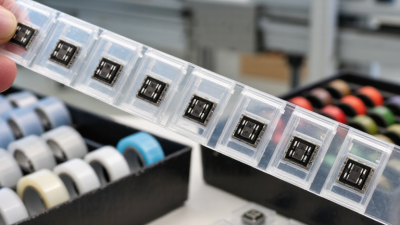
SMD carrier tape is a shaped plastic strip that holds surface-mount components during storage, transport, and automated assembly. Small pockets protect each component from movement and impact. A cover tape seals the pockets, while sprocket holes guide the strip through a feeder. The feeder advances one pocket at a time, presenting each component to a placement machine. Pocket depth, pitch, material, and cover strength must match the component and equipment. In production work, even a slight dimensional error can cause skipped parts or poor pickup.
Reliable manufacturers control pocket dimensions, antistatic performance, and tape flatness through documented inspections. Common materials include embossed plastic and, for some components, transparent or conductive options. Engineers should check drawings, sample reels, sealing behavior, and compatibility with the feeder before approving a supplier. I have seen a tape look acceptable by eye but fail during high-speed feeding. Visual checks alone are not enough. No design is perfect.
Tips: Confirm component orientation before mass production. Measure pocket width and depth, not just pitch. Test sealed reels under actual humidity and temperature conditions. Keep unused reels clean and dry. If feeding problems appear, inspect both the tape and the machine; blaming only one is an easy mistake.
Key Materials and Manufacturing Steps in Carrier Tape Production
Top SMD Electronic Component Carrier Tape Manufacturers
Key Materials and Manufacturing Steps in Carrier Tape Production
Carrier tape production begins with material selection. Polystyrene suits many standard components because it forms clean cavities and remains cost-effective. PET offers better stiffness and dimensional stability. Polycarbonate supports demanding applications with higher heat exposure. Conductive or antistatic additives help control electrostatic discharge. Material choice depends on component size, storage conditions, and sealing requirements.
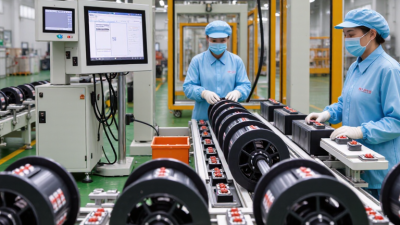
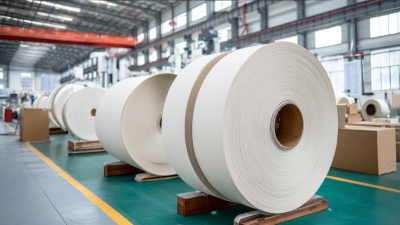
The process starts with plastic sheet preparation and precise thickness control. The sheet is heated, then shaped through matched forming tools. Each cavity must hold the component without rotation or excessive movement. Punching equipment creates sprocket holes for accurate feeder engagement. Small errors matter. A slight pitch variation can interrupt high-speed placement.
Manufacturers inspect cavity depth, hole spacing, burrs, and surface cleanliness. Vision systems detect damaged edges and incomplete forming. Operators also test cover-tape adhesion under controlled temperature and peel force. Excessive adhesion may damage delicate components. Weak adhesion can expose them during transport. In practice, a visually perfect reel can still fail after humidity exposure. That weakness deserves more testing, not excuses. Reliable production therefore combines documented process settings, sample checks, and traceable material records.
Top SMD Electronic Component Carrier Tape Manufacturers: Key Materials and Manufacturing Steps
Carrier tapes are commonly produced from polystyrene (PS), polycarbonate (PC), polyethylene terephthalate (PET), and ABS-based materials. The chart compares representative material densities used in engineering selection: PS and ABS are lightweight, PC offers higher impact resistance, and PET provides greater stiffness and dimensional stability. Typical production includes resin drying and compounding, sheet extrusion, pocket forming, sprocket-hole punching, antistatic treatment or lamination, optical inspection, and roll winding.
Values are representative midpoint densities based on commonly published engineering-property ranges for these thermoplastics; actual grades vary by formulation and supplier.
How to Evaluate SMD Carrier Tape Manufacturers
When evaluating SMD carrier tape manufacturers, start with your assembly line, not a sales brochure.
Confirm tape widths, pocket dimensions, sprocket-hole pitch, and material compatibility with your feeder. A 12 mm tape may look correct, yet a flexible pocket wall can cause component rotation. Request production samples from several lots. Inspect them at room temperature and after storage. Small warpage often appears later.
A polished sample is not enough.
Technical credibility comes from measurable evidence.
Ask for dimensional inspection records, material data, ESD test results, and cover-tape peel-force ranges. Check whether the manufacturer controls critical dimensions during extrusion, forming, and slitting. Traceability should reach the resin batch, machine, operator, and inspection date. Experienced suppliers can explain failures such as burrs, static attraction, poor sealing, or uneven indexing.
Their answers should match observed data, not vague assurances.
Run a feeder trial with real components and record jams per reel.
Reliability also depends on communication.
Review change-notification procedures, packaging protection, lead-time history, and corrective-action reports. Verify independent certifications, but do not treat certificates as proof of daily consistency. I have seen technically strong suppliers lose trust through late updates.
That weakness matters.
Leave room for a pilot order, tighter incoming inspection, and a documented review after assembly.
A supplier’s real character appears when a pocket fails and the response arrives.
Leading Manufacturer Categories and Their Industry Applications
SMD electronic component carrier tape manufacturers typically fall into three categories:
standard embossed-tape producers, high-performance material specialists, and custom precision converters.
Standard suppliers serve resistors, capacitors, LEDs, and small integrated circuits.
High-performance manufacturers use heat-resistant polymers and controlled ESD properties for automotive, power, and high-temperature assemblies.
Custom converters develop unusual pocket sizes for MEMS sensors, connectors, and advanced modules.
The application outlook is expanding.
SEMI’s World Fab Forecast reported more than 1,500 semiconductor facilities and production lines worldwide in 2024.
Each line increases demand for reliable packaging materials and automated feeding systems.
Yole Group’s 2024 advanced-packaging research projected this market could approach 78 billion dollars by 2028.
That growth supports tighter pocket tolerances, cleaner surfaces, and stronger cover-tape sealing.
Yet, the data does not explain every factory problem.
Moisture, static discharge, and feeder calibration still cause practical failures.
Tips:
Match tape width and pocket depth to the feeder, not only the component.
Request ESD, tensile, and sealing test records.
For automotive parts, verify temperature and vibration performance.
Recyclable materials look attractive, but their forming stability needs careful validation.
A small pocket error can stop a high-speed line.
Teams should test samples under real production conditions before approving volume supply.
Quality Standards, Customization Options, and Global Supply Factors
For SMD carrier tape, quality starts with dimensional discipline, not attractive packaging. ANSI/EIA-481 specifies pocket dimensions, indexing, cover-tape performance, and feeding geometry for automated placement. In practice, suppliers should verify pocket depth with calibrated gauges, inspect sprocket-hole pitch, and test peel force across production lots. IPC/JEDEC moisture-handling guidance also matters when tape protects moisture-sensitive components. A small warpage error can stop a feeder. That is expensive.
Customization should match the component, machine, and shipping route. Options include embossed or punched tape, different widths, antistatic materials, pocket pitches, cover tapes, and leader lengths. A reliable supplier shares drawings, tolerance tables, sample reels, and traceable inspection records before mass production. However, wider tape is not automatically safer. Over-specification can increase resin use, freight volume, and changeover time. The assumption deserves testing.
Global supply planning requires more than a low unit price. SEMI’s 2024 World Fab Forecast tracks more than 1,500 semiconductor facilities and production lines worldwide. That network increases demand for regional stock, dual tooling, and verified backup capacity. Buyers should compare lead times, resin availability, customs exposure, and recovery plans. I would also audit reel cleanliness and splice control; these details are often underestimated. No factory is perfectly predictable. Resilience needs evidence.