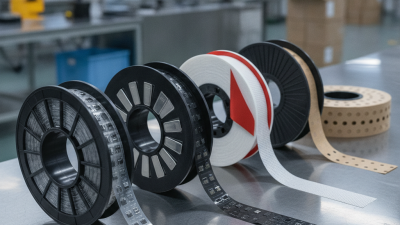
Choosing Tape Reel Packaging in 2026 requires more than comparing prices or selecting attractive materials. The right format must protect components, support automation, and reduce avoidable waste. A reel may travel through warehouses, loading docks, and production lines before reaching its final machine.
Start with the component’s dimensions, weight, moisture sensitivity, and surface requirements. Small electronic parts often need stable pockets, accurate cover tape, and reliable indexing. Larger components may require stronger hubs, thicker flanges, or reinforced cartons. Packaging should also match feeder equipment. A perfect reel can still fail when its center hole, pitch, or winding tension does not fit the assembly line.
Material selection deserves careful attention. Recycled plastics, recyclable paperboard, and reusable reels may reduce environmental impact, but performance must remain consistent. Packaging teams should request test data, inspect samples, and confirm batch traceability. Check drop resistance, humidity exposure, electrostatic protection, and label readability. Do not trust vague sustainability claims.
Details matter.
In 2026, suppliers should explain how packaging supports automation, product protection, and responsible sourcing. They should also provide clear technical documents and responsive quality support. Costs include damage, downtime, rejected parts, and disposal, not only the purchase invoice. A practical evaluation may reveal that the cheapest reel creates the highest operational risk. That assumption can be wrong, too. Real production trials remain essential because laboratory results rarely capture every factory condition. This guide examines the decisions, trade-offs, and overlooked details behind dependable Tape Reel Packaging selection.
Define the packaging requirement before choosing a reel. Record tape width, pocket pitch, component height, quantity, and winding direction. A 7-inch reel may fit the line, yet its flange can still damage tall components. Measure the pocket, not only the part. This small mistake is common.
Protection must match the shipping route. Use ESD-safe materials for sensitive electronic parts, and verify resistance with documented test results. IEC 61340-5-1 provides the core framework for electrostatic-control programs. For moisture-sensitive devices, define the barrier bag, desiccant quantity, humidity indicator, and sealing method. SEMI reported global semiconductor materials sales of 67.5 billion US dollars in 2023, showing the scale of components moving through controlled packaging systems. More volume also means more opportunities for handling damage.
Sustainability needs practical limits. Smithers’ packaging research identifies lightweighting and recyclable structures as continuing industry priorities through 2029. However, reducing plastic thickness without drop testing is poor engineering. Test stacked reels, vibration, compression, and temperature changes. Label each reel with lot number, quantity, orientation, and storage conditions. Keep the label readable after transit. It sounds basic. It is often missed. My own preference is to specify the minimum proven protection, not the cheapest material. The cheaper choice may create rework, scrap, or uncertain traceability later.

How to Choose Tape Reel Packaging in 2026?
Tape reel packaging should match the material, reel size, and transport risk. Plastic reels resist moisture and offer consistent dimensions, which helps automated feeding. Fiberboard reels weigh less and often simplify recycling. However, they can deform beside condensation or heavy cartons. ISO 18604 supports evaluating packaging by its recyclability pathway, not by material claims alone.
Size needs practical testing. Measure flange diameter, hub diameter, tape width, and winding tension. A small hub can create sharp bending stress. An oversized reel wastes storage space and increases movement inside the carton. According to Eurostat, EU packaging waste reached 188.7 kilograms per person in 2021. That figure makes unnecessary void space harder to justify. I used to choose the lightest reel first. That was too simple.
Tips: Use a snug inner sleeve, corner protection, and a moisture barrier for long-distance shipping. For sensitive tape, add desiccant only after checking the tape supplier’s storage limits. Select cushioning by drop height, not appearance. Test one packed reel at the heaviest expected load.
Protection levels should reflect the route. A domestic truck shipment may need dust control and flange protection. Export freight may require sealed bags, impact resistance, and humidity indicators. The International Safe Transit Association recommends performance testing that reflects real distribution hazards. A vibration test can reveal loose winding faster than visual inspection. Still, test plans are not perfect; temperature changes and warehouse stacking deserve separate checks.
Tape reel packaging should protect the product during storage and shipping. In practice, moisture, dust, vibration, and sudden impacts create the greatest risks.
I have seen reels arrive with crushed corners after a short delivery. The outer carton looked acceptable, but the internal cushioning had shifted.
Start by checking the reel’s weight, diameter, and winding stability. A snug insert can prevent movement without pressing the tape edges. Use rigid cartons for stacked shipments. Add separators when several reels share one box. For moisture-sensitive materials, consider sealed bags with suitable desiccant.
Do not rely on appearance alone. A package may feel strong and still fail a drop.
Test the complete pack, not just the carton.
Simulate warehouse stacking, vibration, and repeated handling.
Inspect reel flanges, tape edges, seals, and labels afterward. Clear labels help workers identify orientation and storage limits quickly. Temperature changes also deserve attention, especially during winter transport or hot warehouse storage.
No package is perfect. I once approved a design that passed a drop test but failed during pallet compression. The weak point was an overlooked bottom panel.
Small production changes can create similar problems, so review samples regularly and record each test result. A practical design balances protection, handling speed, material use, and consistent packing quality.
How to Choose Tape Reel Packaging in 2026?
Tape reel packaging now sits between factory automation, environmental responsibility, and regulatory control. A suitable package should protect reels while moving smoothly through automated lines. Check the reel diameter, package tolerance, and gripping surface before approving a design. Small dimensional changes can stop a robotic arm. That happens more often than expected.
Machine-readable labels also matter. Use clear barcodes, stable placement, and consistent orientation. Packaging should withstand vibration, dust, and warehouse humidity without losing identification. For sustainability, choose right-sized cartons, recyclable cushioning, and reduced plastic content where protection remains reliable. Recycled board can work well, but its compression strength may vary. Test it under stacked storage conditions. Green choices need evidence.
Regulatory compatibility requires documented material composition and traceability. Confirm that inks, adhesives, coatings, and plastic parts meet destination-market requirements. Keep supplier declarations and test records accessible for audits. Export teams should also check labeling and packaging-waste obligations before shipment. Requirements change. Do not rely on an old checklist.
A practical trial should include conveyor testing, drop testing, humidity exposure, and unpacking observations. Ask operators where handling feels awkward. Their feedback often reveals hidden waste. No package is perfect; stronger protection may increase material use, while lighter designs may create more damage. Review the trade-off with actual production data, not assumptions.
Compare automation readiness, sustainability, and regulatory compatibility before selecting plastic or recycled-content tape reels.
The chart shows the EU Packaging and Packaging Waste Regulation recycled-plastic-content targets that may apply to plastic tape-reel packaging when classified as non-contact-sensitive plastic packaging: 30% by 2030 and 65% by 2040. For automation, select reels with stable dimensions, consistent winding, machine-readable identification, and reliable feeding performance. For sustainability, prioritize recyclable mono-material designs and documented recycled content. Confirm the final regulatory classification and market requirements before procurement.
Source: Regulation (EU) 2025/40, Article 7 — EUR-Lex
Choosing tape reel packaging in 2026 requires more than comparing the unit price. A reliable supplier should demonstrate experience with component dimensions, cover-tape adhesion, reel strength, and moisture protection. Ask for inspection records, material specifications, and sample-run results. A reel that looks inexpensive can create feeder jams, component loss, or costly line stoppages. Those costs rarely appear in the quotation.
Smithers’ 2024 packaging forecast places the global packaging market above US$1 trillion this decade, showing how material efficiency and supply control affect purchasing decisions. For tape reels, calculate the total packaging cost: reels, carrier tape, cover tape, labels, trays, tooling, testing, freight, storage, and disposal. Include the labor needed for loading and rework. Also confirm minimum order quantities, lead times, tooling ownership, and replacement policies. A lower resin price may still produce a higher delivered cost. I have seen buyers overlook pallet space. That mistake is expensive.
Tips: Request three sample lots, not one. Measure pocket accuracy, tape tension, reel runout, and seal performance. Test them on your actual feeder settings. Ask suppliers to quote both standard and recycled-content materials, then compare defect rates and disposal fees. Check data against recognized standards, such as EIA-481 and relevant moisture-control guidance. Reports can guide decisions, but production evidence matters more. One weakness remains: forecasted savings often depend on perfect handling, which factories rarely achieve.
| Packaging Configuration | Typical Reel Size | Primary Protection | Supplier Type to Select | MOQ per Order | Typical Lead Time | Packaging Cost per Reel (USD) |
Handling & Quality Cost per Reel (USD) |
Estimated Total Cost per Reel (USD) |
Recyclability | Overall Fit Score |
|---|---|---|---|---|---|---|---|---|---|---|
| Corrugated carton + ESD shielding bag + dividers | 7–15 in reel up to 25 kg carton load |
Impact protection, dust control and electrostatic discharge protection | Regional converter with ESD packaging capability and die-cutting equipment | 500–1,000 reels | 3–5 weeks after artwork approval | $0.82–$1.45 | $0.18–$0.32 | $1.00–$1.77 | High; paperboard is widely recyclable, while the ESD bag should be separated | 86 |
| Reusable rigid plastic reel case with foam insert | 7–18 in reel repeated return cycles |
High crush resistance, moisture control and dimensional stability | Industrial packaging supplier offering returnable-container programs | 100–300 cases | 5–8 weeks for initial tooling or sampling | $4.80–$8.60 | $0.45–$0.85 | $5.25–$9.45 | Medium to high; reusable over multiple shipments, but material recycling depends on polymer type | 78 |
| Molded pulp tray + outer corrugated carton | 7–12 in reel light to medium loads |
Vibration absorption, abrasion reduction and stack support | Fiber-molding supplier with custom tooling and moisture-resistant treatment | 1,000–3,000 sets | 6–10 weeks including tooling | $1.35–$2.40 | $0.22–$0.40 | $1.57–$2.80 | High when coatings and adhesives are fiber-compatible | 84 |
| Thermoformed ESD tray + corrugated shipper | 7–15 in reel precision-fit cavities |
Electrostatic discharge control, position retention and visual inspection access | Thermoformer with controlled ESD material formulation and cavity inspection | 1,000–5,000 trays | 5–9 weeks including mold development | $1.65–$3.10 | $0.25–$0.48 | $1.90–$3.58 | Medium; mono-material trays are easier to recycle than laminated structures | 82 |
| Export carton + PE moisture barrier bag + desiccant | 7–18 in reel long-distance export |
Moisture protection, contamination control and transport durability | Export-packaging supplier with validated moisture-barrier packing procedures | 500–2,000 reels | 3–6 weeks after specification confirmation | $1.10–$2.05 | $0.30–$0.55 | $1.40–$2.60 | Medium; cardboard is recyclable, while barrier film and desiccant require separate handling | 80 |
| Standard corrugated carton with paper cushioning | 5–12 in reel short-distance distribution |
Basic impact protection and low-cost void fill | Local packaging distributor with stock carton sizes | 100–500 cartons | 3–10 business days from stock | $0.48–$0.95 | $0.12–$0.25 | $0.60–$1.20 | High; paper-based components are generally recyclable | 68 |
| Cost basis: Indicative 2026 planning ranges in USD per packed reel, excluding freight, duties, taxes, tooling amortization, storage, return logistics and product damage claims. Total packaging cost equals packaging material cost plus estimated handling and quality-control cost. Final quotations should be confirmed using the reel diameter, width, gross weight, ESD requirement, annual volume, destination and return-cycle assumptions. | ||||||||||