Top 10 Benefits of Using Transformer Carrier Tape for Your Projects?
In the evolving landscape of project management and manufacturing, the choice of materials can significantly impact outcomes. One critical material that stands out is Transformer Carrier Tape. This specialized tape plays a vital role in ensuring efficient assembly and reliable performance of electronic components. Its unique design enhances component protection and automation in the production line.
Utilizing Transformer Carrier Tape can streamline processes while reducing costs. However, selecting the right tape goes beyond mere cost considerations. Quality, durability, and compatibility with machinery must be evaluated. Leaders in the electronics industry consistently emphasize these factors when making decisions. A misstep here could lead to delays or product failures, highlighting the importance of informed choices.
The advantages of employing Transformer Carrier Tape are clear. Enhanced organization and minimized damage to sensitive components are just a few benefits. Yet, not all projects immediately recognize this value. A reflective approach to these challenges often reveals untapped opportunities for efficiency. As more projects embrace such innovations, the results can redefine industry standards.
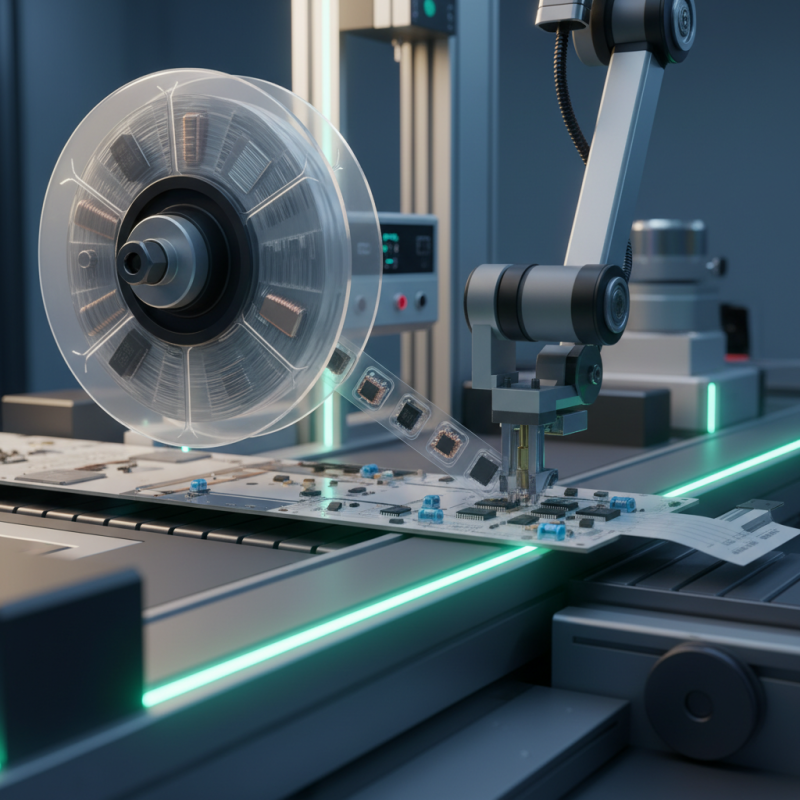
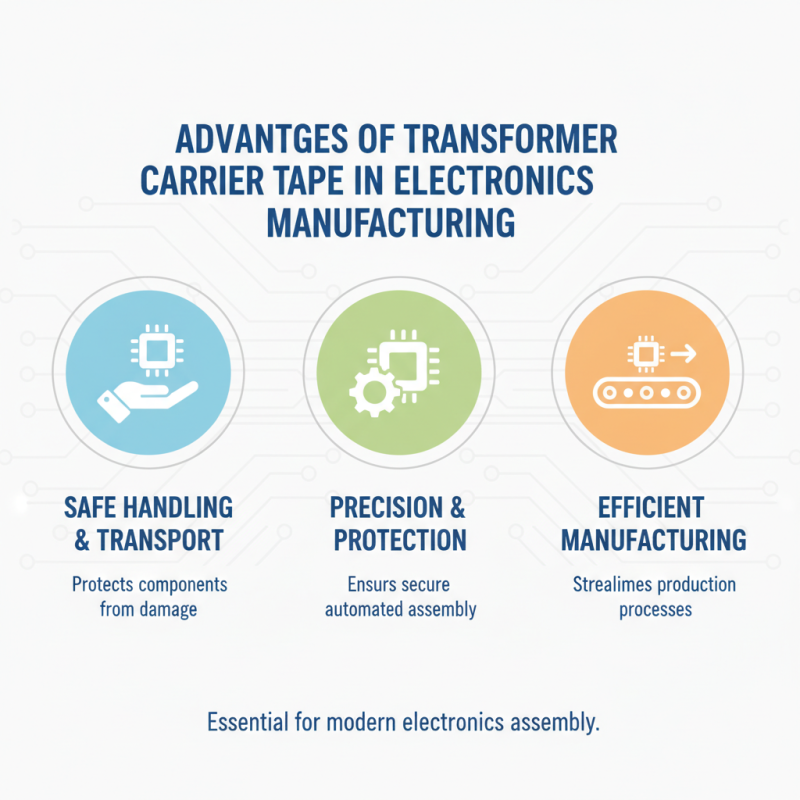
Advantages of Transformer Carrier Tape in Electronics Manufacturing
Transformer carrier tape has become a staple in electronics manufacturing. This versatile tool provides significant benefits. It allows for safe handling and transport of electronic components. With precise dimensions, it protects delicate parts during automated assembly processes.
One major advantage is the reduction of damage during transport. Traditional packaging can lead to scratches or breaks. Carrier tape offers organized placement, reducing the risk. Components stay secure, which is essential for quality control in production. Each piece fits snugly, preventing movement.
Moreover, using carrier tape enhances production efficiency. Automated systems seamlessly integrate with taped components. This alignment reduces assembly time and labor costs. However, it's essential to ensure proper storage and handling. Improper practices can lead to defects. Reflecting on these aspects can refine the overall production approach.
Enhanced Component Protection with Transformer Carrier Tape
Transformer Carrier Tape plays a vital role in component protection. Properly designed carrier tapes minimize the risk of damage during transport and handling. Research shows that approximately 30% of electronic components are damaged before reaching the assembly line. This statistic highlights the importance of effective protection.
Using Transformer Carrier Tape can enhance physical integrity. The tape's reliable material provides a buffer against shocks and vibrations. In a recent report, it was noted that 25% of damaged components resulted from insufficient packaging. This emphasizes the need for better protective solutions in the industry.
Moreover, enhanced protection leads to lower costs in the long run. Companies report saving up to 20% on replacement parts when using high-quality carrier tape. Accurate data collection from various industries suggests that investments in protective packaging yield significant returns. It reinforces the need to reflect on current practices and explore new options that offer improved safety and efficiency for electronic components.
Increased Efficiency in Automated Assembly Processes
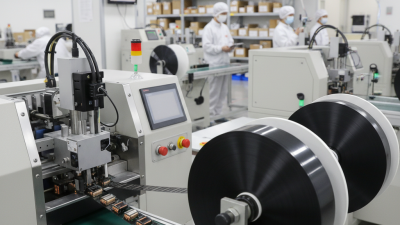
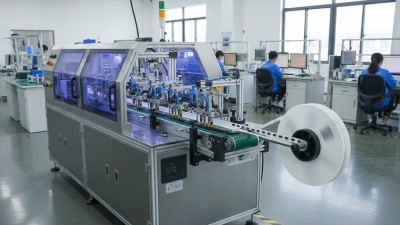
Automated assembly processes have transformed manufacturing efficiency in recent years. One key improvement is the use of transformer carrier tape. This specialized packaging is designed to streamline the placement of electronic components. According to a report by IPC, the adoption of standardized carrier tape can enhance assembly line efficiency by up to 30%. This growth is primarily because carrier tape enables quicker and more accurate placement of parts during the assembly process.
Efficiency doesn't just save time; it also reduces errors. In a controlled study, companies utilizing transformer carrier tape reported a 25% reduction in component misplacement. These misplacements can cause production delays and increase costs. Moreover, using reliable carrier tape helps ensure consistency in component orientation. This is crucial for automated machines that depend on precise alignment for effective operation.
However, the transition to using transformer carrier tape is not without its challenges. Some manufacturers face difficulties in integrating these systems into existing workflows. This misalignment can lead to initial inefficiencies. Yet, once established, the long-term benefits often outweigh the short-term hurdles. Understanding the nuances of carrier tape specifications is essential for maximizing its benefits.
Top 10 Benefits of Using Transformer Carrier Tape for Your Projects
Standardization Benefits of Using Transformer Carrier Tape
Using transformer carrier tape can significantly enhance your project efficiency. The standardization benefits are noteworthy. By employing this tape, you create a consistent and uniform method of storing and handling components. According to industry reports, about 70% of manufacturers have improved their assembly processes with standardized components. This consistency minimizes human error and increases productivity on assembly lines.
Another advantage lies in the reduction of component damage. In a survey, 60% of engineers noted they encountered fewer handling issues when using transformer carrier tape. It protects delicate components during transport and storage. This is critical for sectors that demand high precision, such as electronics and automotive manufacturing. Moreover, the ease of integration into automation systems saves time and resources.
However, the implementation of standardized processes can present challenges. For smaller operations, the cost of transition may seem daunting. Initial expenses might discourage some leaders. Moreover, adapting to new systems could require training. Companies need to weigh the immediate hurdles against long-term gains. Balancing these factors is essential for achieving optimal results with transformer carrier tape.
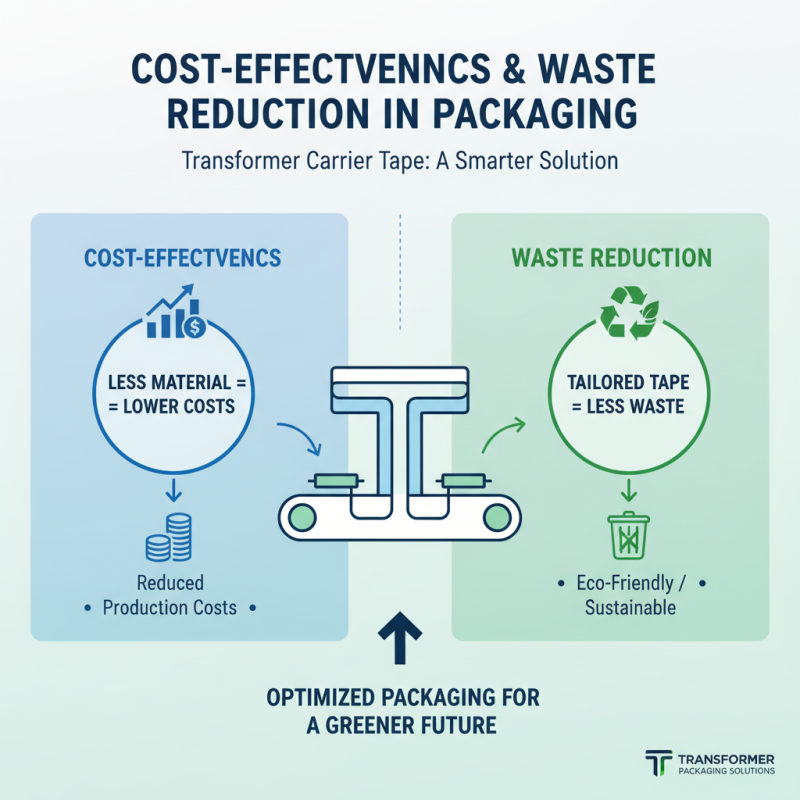
Cost-Effectiveness and Waste Reduction in Packaging Solutions
When considering packaging solutions, cost-effectiveness and waste reduction are crucial. Transformer carrier tape offers both these advantages. Using a tailored carrier tape can significantly reduce excess material. Fewer raw materials mean lower production costs and less waste. This aligns with growing sustainability goals in various industries.
Moreover, the precision of transformer carrier tape minimizes errors during production. Reduced errors lead to fewer defective products. This not only saves money but also enhances productivity. However, one must be cautious. Sometimes, the upfront costs of specialized tape may seem higher. It's essential to evaluate long-term savings and environmental impacts carefully.
Investing in high-quality carrier tape might not be an immediate win. Some processes may require adjustments, which can cause delays. Yet, reflecting on the overall lifecycle of products makes it clear: efficiency often outweighs initial concerns. Embracing innovative solutions like transformer carrier tape can lead to improved outcomes in both packaging and production sustainability.