What is Carrier Tape Reel and How to Choose the Right One?
Choosing the right Carrier Tape Reel is essential for efficient manufacturing. These reels play a crucial role in packaging electronic components. They ensure components are stored and transported securely.
There are many factors to consider when selecting a Carrier Tape Reel. The size, material, and design can significantly impact usability. Compatibility with automated feeders is another key aspect. Users often face challenges in making the best choice. Mistakes in selection can lead to production delays.
Understanding the specifications and applications of different Carrier Tape Reels can enhance your decision-making. An informed choice can improve workflow and reduce waste. It's important to reflect on past experiences to avoid repeating errors. Knowledgeable selection ultimately contributes to better productivity and reliability in the manufacturing process.
What is Carrier Tape Reel: Definition and Industry Overview
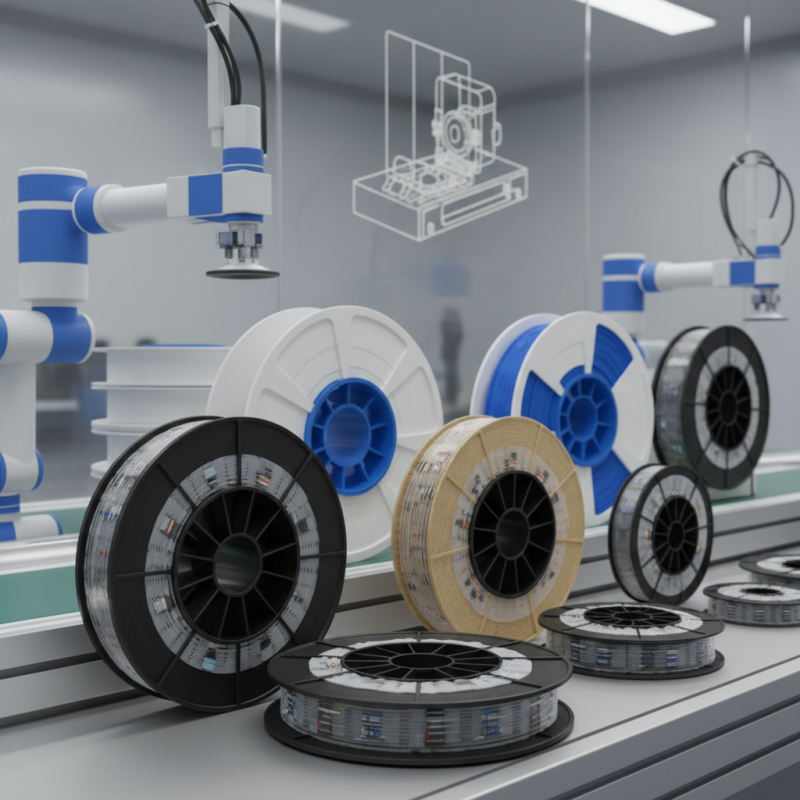
Carrier tape reel is essential in electronics packaging. It serves as a specialized method for organizing and protecting small components during storage and transport. This tool is widely used in the manufacturing industry to maintain the integrity of delicate items. It allows for efficient loading into automated machinery. Additionally, it can minimize the risk of damage that could occur during handling.
Choosing the right carrier tape reel involves understanding specific requirements. You need to consider the component size and type. The width and aperture must match. Material thickness plays a vital role in protecting components. Moreover, the reel's dimensions should align with your equipment. Not all reels are suitable for every application. It’s crucial to evaluate your needs carefully. Oversized or undersized tapes can lead to issues. A poor choice may result in increased costs and wasted time.
The role of quality in carrier tape reel selection cannot be overstated. Poor quality can compromise component safety. It’s important to research suppliers and their manufacturing processes. Look for certifications that indicate reliability. Make inquiries about their quality control standards. Just because a reel seems perfect on paper, it doesn’t guarantee performance. Engage with industry peers to understand their experiences. This reflection can help in making better choices.
Carrier Tape Reel Types and Their Popularity
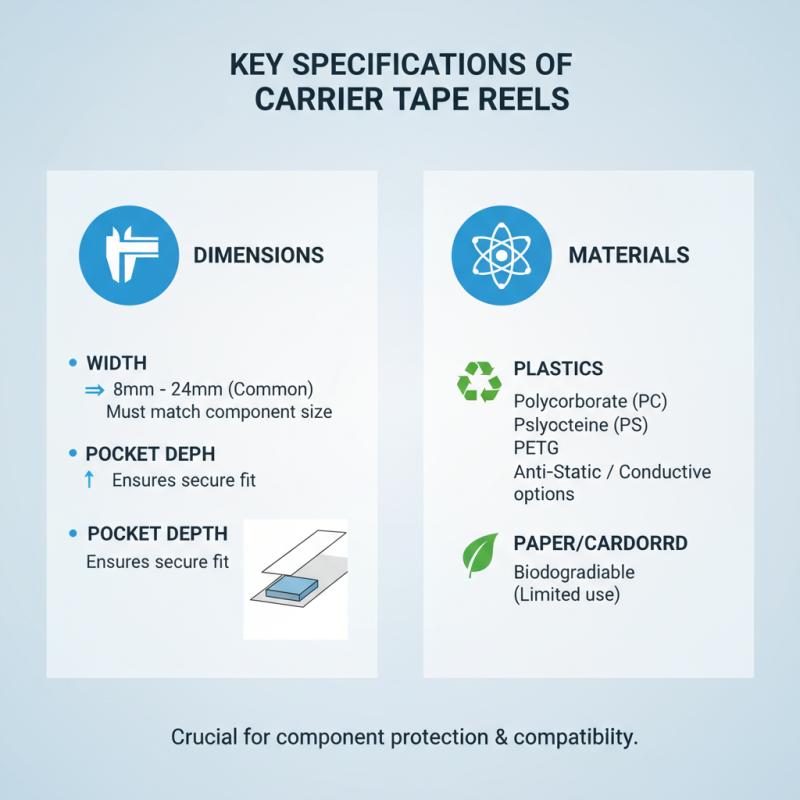
Key Specifications of Carrier Tape Reels: Dimensions and Materials
Carrier tape reels play a crucial role in packaging electronic components. Understanding their key specifications is essential for selecting the right one. Dimensions and materials significantly affect compatibility and protection. The width and depth of the carrier tape are vital. They must match the components. Common widths range from 8mm to 24mm. A precise fit ensures that components do not move during transport.
Material choice also impacts the performance of carrier tape reels. Most reels are made from plastic or metal. Plastic reels are lightweight and cost-effective. However, they may lack durability compared to metal options. Metal reels can withstand rigors better but may be more expensive. Environmental factors, like humidity, should guide material selection.
It is difficult to find the perfect carrier tape reel. Often, companies compromise between cost and quality. Several options may not meet specific needs, leading to reflective decisions. Incorrect dimensions or materials can lead to damaged components. Evaluating various specifications ultimately leads to better choices in the long run. Note that the right selection can enhance operational efficiency tremendously.
Understanding Various Carrier Tape Reel Types and Their Applications
Carrier tape reels are essential for packaging and transporting electronic components. They offer protection and organization, ensuring safe delivery to manufacturers. When considering a carrier tape reel, it’s crucial to understand the various types available.
There are generally three types of carrier tape reels:
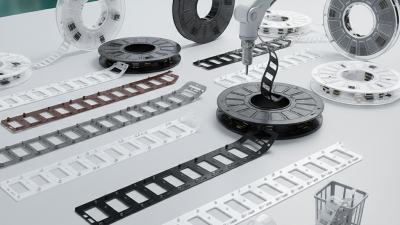
- Embossed carrier tapes hold components securely in place.
- Conductive reels help prevent electrostatic discharge.
- Static dissipative tapes reduce the risk of damage during handling.
Each type serves a specific purpose depending on the components being transported.
Choosing the right reel is not always straightforward.
Factors include the size, shape, and weight of components. A mismatch can lead to
damage or inefficiency. It’s important to assess your requirements carefully. Experience in the industry can guide your choice. However, there is always room for improvement in selecting the optimum reel for your needs.
Exploring options and understanding specifications will lead to better outcomes.
How to Select the Right Carrier Tape Reel: Factors to Consider
Choosing the right carrier tape reel is crucial in the electronics industry. It's essential to understand how tape dimensions and specifications impact component integrity. A recent industry survey highlights that improper handling of carrier tapes can lead to a 15% increase in defect rates during assembly. This statistic underscores the importance of selecting the correct reel.
When evaluating carrier tape reels, consider several factors. The width of the carrier tape should match the components' dimensions. A tape that is too wide or narrow can not only compromise the placement accuracy but also result in mechanical failures. Additionally, the material of the tape can influence static discharge susceptibility. Data indicates that nearly 20% of electronics failures stem from static-related issues.
Another aspect to reflect on is the compatibility of the carrier tape with existing machinery. A misalignment can cause jams, holding up production. It's vital to check if the reel's specifications align with the feeder specifications of automated equipment. Even minor mismatches can lead to productivity losses and increased operational costs.
Impact of Carrier Tape Reel Quality on Manufacturing Efficiency and Cost
The quality of a carrier tape reel plays a crucial role in manufacturing efficiency and cost management. High-quality reels ensure that components are protected during transit. They help maintain precise alignment for automated pick-and-place systems. Any defect in the carrier tape can lead to jams and misplacements, causing delays and increased labor costs.
When selecting a carrier tape reel, consider the material’s durability. Poorly designed reels might fail under stress, leading to wasted resources. Look for reels that provide adequate protection against dust and moisture. This can mitigate the risk of product damage.
**Tips:** Ensure compatibility with your machinery. Always check specifications before making a purchase. A minor issue could escalate into significant production glitches. Regularly evaluate your supplier's quality standards. Companies should conduct reviews periodically to avoid complacency. Prioritizing quality in carrier tape reels creates a more reliable manufacturing process.