Top Special Spring Loaded Button Manufacturers Worldwide?
A Special Spring-Loaded Button may look like a small component, but its performance can shape how a product feels and functions. A firm click, consistent return, and secure mounting matter on control panels, handheld devices, and industrial equipment. Buyers also need to consider button dimensions, spring force, materials, contact ratings, and expected cycle life. Small details count.
This guide explores manufacturers serving the global market and the factors that help buyers compare them. Product catalogs and technical data can reveal useful differences, but they do not tell the whole story. Ask about customization, quality checks, sample availability, lead times, and support after delivery. Request specifications that match the actual application, then verify them with testing where practical. A polished website is not proof of reliable production. It is only a starting point.
There is no single best supplier for every project. One manufacturer may offer broad customization, while another may suit standard designs or smaller orders. Trade-offs happen. This overview aims to help engineers, purchasing teams, and product designers ask clearer questions before choosing a partner. The comparison should be treated as a guide, not a certification of any company’s capabilities. Always confirm current specifications directly with the manufacturer.
What Is a Spring-Loaded Button and How Does It Work?
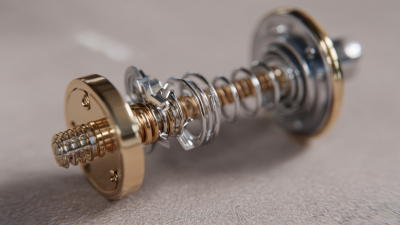
A spring-loaded button is a push control that returns to its resting position after pressure is released. Inside, a small coil spring sits behind the button cap. Pressing the cap compresses the spring and moves a plunger or contact. That movement can complete an electrical circuit, release a latch, or activate a mechanical function, depending on the design. Then the spring pushes the button back. Simple, but precise.
The feel depends on spring strength, travel distance, and the mechanism around it. A short, firm press may suit a control panel, while a longer stroke can help when users wear gloves. In a typical electrical switch, conductive contacts meet during the press and separate when the button rises. The housing guides the moving parts and helps limit dust or moisture, though protection varies by construction. Small details matter.
For reliable selection, check operating force, rated life, mounting method, and the environment where the button will be used. A button exposed to vibration may need a secure mounting arrangement; one used repeatedly may require a spring and contacts suited to frequent cycling. Do not assume a crisp click proves long-term durability. It is only one clue. Specifications and practical testing tell more, and even then, real use can reveal surprises.
Which Types of Spring-Loaded Buttons Are Commonly Used?
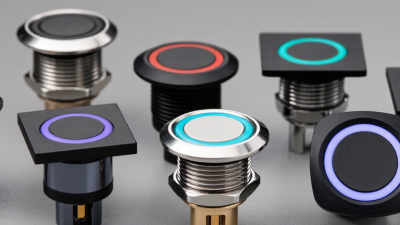
Spring-loaded buttons are usually grouped by how they move and what they control. The commonest type is the momentary pushbutton: press it, and a spring returns the cap when released. It suits door-release controls, machine jog functions, and small instrument panels.
Grand View Research estimated the global push-button switches market at about USD 2.7 billion in 2023. That figure covers push-button switches broadly, not spring-loaded models alone, so it should not be read as their market size.
Spring-return selector buttons rotate between positions but move back when released. They are useful for temporary modes, such as inching a motor or testing a control circuit.
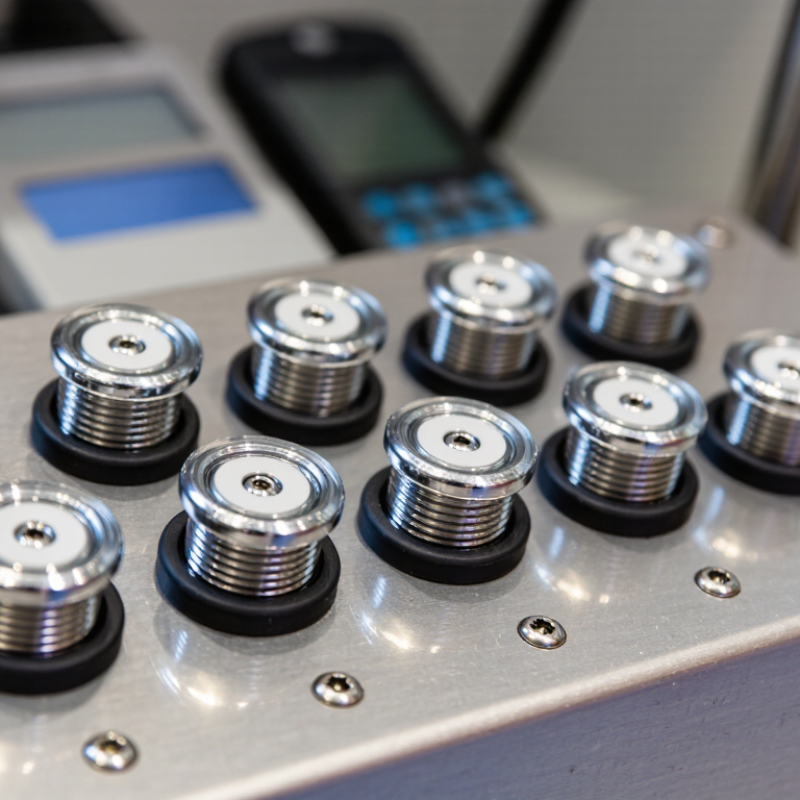
Sealed panel buttons, often fitted with rubber boots or gaskets, help keep dust and splash away from contacts. On circuit boards, tactile switches provide a short, crisp click beneath a plastic key.
Small detail, big difference. Selection depends on travel, force, contact arrangement, and expected cycle life; IEC 60947-5-1 provides requirements for control-circuit devices, including many industrial pushbutton applications.
A practical detail is easy to miss: a very firm spring can tire an operator during repeated use. The market report does not compare these mechanisms, and that gap matters.
What Features Distinguish Leading Manufacturers Worldwide?
What Features Distinguish Leading Manufacturers Worldwide?
A dependable spring-loaded button should move smoothly, return consistently, and withstand repeated use. Leading manufacturers demonstrate how they verify those qualities, rather than relying on polished product descriptions. Look for documented force testing, cycle testing, and dimensional inspection. Ask whether tests reflect your actual conditions, including side pressure, dust exposure, and the button’s intended travel. A neat sample is useful, but repeatable results across production batches matter more.
Quality systems also deserve scrutiny. ISO 9001 defines requirements for quality management systems; certification alone, however, does not prove that a specific button will perform well. The American Society for Quality notes that poor-quality costs can commonly reach 15–20% of sales, underscoring why inspection and process control matter. Request traceable inspection records, material specifications, and clear procedures for handling defects. Response time matters too. A supplier that explains a tolerance issue plainly may be more valuable than one that promises everything. Small details get missed.
Tips: Send a drawing and a physical use-case description with your inquiry. Compare samples for actuation force, return speed, surface finish, and fit in the assembled device. Ask how results are recorded and what happens when a batch falls outside specification. If a test method is unclear, ask for clarification before approving production.
How Can Buyers Compare Spring-Loaded Button Manufacturers?
How Can Buyers Compare Spring-Loaded Button Manufacturers?
Comparing spring-loaded button manufacturers takes more than checking unit price. Buyers should review material specifications, operating force, travel distance, and expected cycle life. A button that feels smooth on a sample may behave differently after thousands of presses. Ask how performance is tested and whether results are documented. Clear answers matter.
Fit is practical. Compare drawings, mounting dimensions, contact or switching requirements, and available tolerances against your assembly. Request samples for hands-on checks, including repeated pressing and inspection for sticking or uneven return. If the button sits in a dusty or damp environment, confirm which conditions the manufacturer has actually tested. Do not assume a general rating covers your use case. That assumption can cost time.
Tips: Send the same specification sheet to each supplier. Ask for sample lead time, production lead time, inspection criteria, and change-control details. Check whether technical support can explain test data in plain language. Note vague answers, but allow room for clarification; product documents are not always written perfectly. Compare the full response, not just the quote. A low price may look attractive, yet inconsistent dimensions can create extra assembly work. Ask what happens when a batch falls outside the agreed tolerance.
Top Special Spring-Loaded Button Manufacturers Worldwide? How Can Buyers Compare Them?
There is no universal, independently verified ranking of spring-loaded button manufacturers. Compare suppliers using documented specifications and test evidence rather than brand claims. The chart lists six practical comparison dimensions; it does not rate or rank companies.