China Top 10 Automatic Carrier Tape Forming Machine Makers
Choosing among China’s leading Automatic Carrier Tape Forming Machine makers requires more than comparing catalog speeds. The right machine must form consistent pockets, maintain accurate pitch, and handle the buyer’s specified tape materials and widths. Small defects matter. A shallow pocket or uneven edge can disrupt downstream component placement.
Manufacturing engineer Taiichi Ohno wrote, “Without standards, there can be no improvement.” His principle is not specific to carrier tape, but it offers a useful lens for evaluating equipment. Ask each supplier how it measures forming depth, checks pitch, and documents inspection results. Request sample runs using your actual material, not just a polished demonstration. Changeover time matters, too. So do spare-part availability, operator training, and response times when production stops.
This guide reviews ten China-based makers through practical questions: What tape formats can their machines support? How stable is output across a full shift? What evidence backs their performance claims? A product page may look convincing. It is not proof. Buyers should compare specifications, test samples, and confirm service arrangements directly with each manufacturer. Some details may remain difficult to verify from public information alone; that limitation deserves attention. The best choice is not automatically the fastest or cheapest machine. It is the one whose verified capabilities fit the production line, quality requirements, and support needs.
What Is an Automatic Carrier Tape Forming Machine?
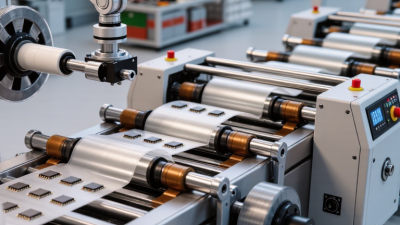
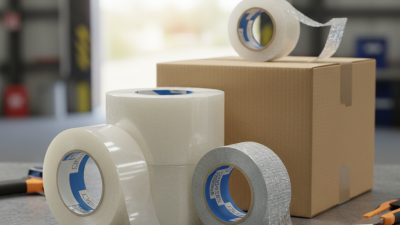
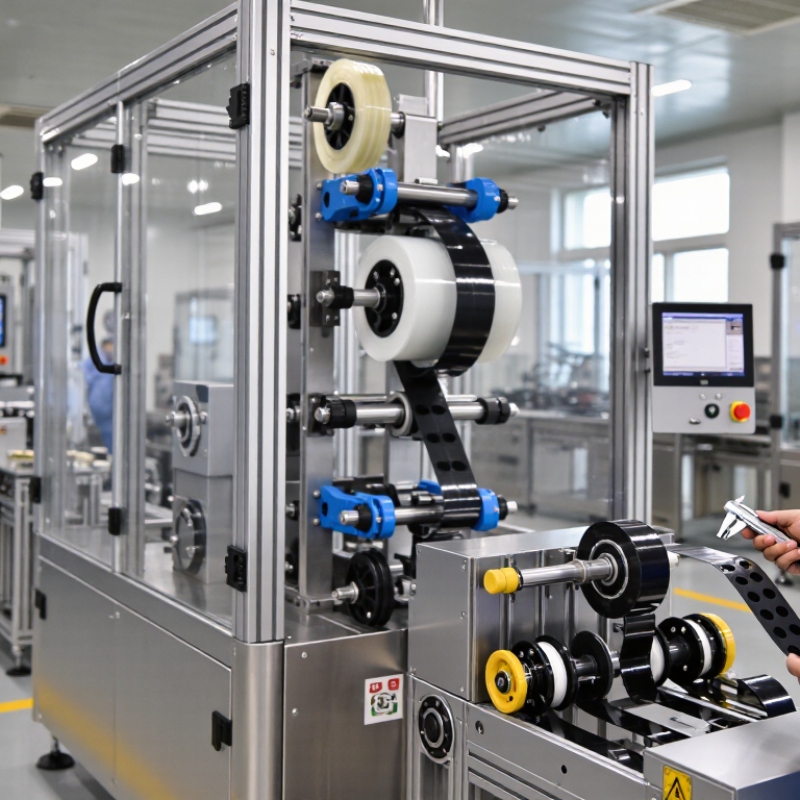
An automatic carrier tape forming machine converts flat plastic sheet into a shaped strip that holds electronic components during handling and transport. The sheet feeds from a roll, warms to a controlled temperature, and enters a forming station. A mold creates pockets at regular intervals, while a punch or cutting unit shapes the edges and sprocket holes. The finished tape is wound for use with a cover tape.
Pocket dimensions must match the parts being packed. A pocket that is too shallow may let a component shift; one that is too deep can waste material or slow loading. Sensors and controls help maintain feed length, temperature, and forming pressure, but operators still need to check samples and adjust settings when materials change. Small errors add up. In a production setting, teams often inspect pocket spacing and tape width before a full run. The machine can improve consistency and output, though it cannot correct a poorly designed pocket or unsuitable sheet material. Setup takes care, and the ideal settings are not always obvious on the first trial.
How Does the Carrier Tape Forming Process Work?
Carrier tape forming starts with a thermoplastic web unwound from a roll and guided through the machine. The material may be polystyrene, polycarbonate, or another tape-grade plastic. Heated zones soften the web without melting it. An indexing system then moves each section beneath a forming station. A matched die, vacuum, or pressure shapes the pockets that hold electronic components. Pocket depth and pitch must stay consistent across the strip.
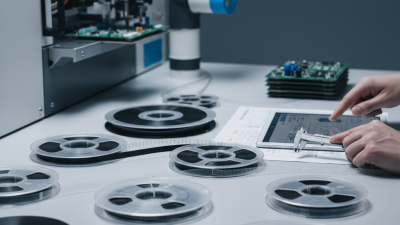
Small details matter. A slight temperature shift can make pockets shallow or uneven. After forming, the web cools before punching creates sprocket holes for accurate feeding. Some machines punch holes before forming, depending on their design. Sensors and sample checks help operators spot drift, while measurements confirm pocket dimensions and tape width. The finished strip is rewound, and cover tape may be applied in a separate operation. In practice, setup often takes adjustment; a good-looking first section does not guarantee a stable full roll. Operators should check several points along the run and record settings for repeat jobs.
What Criteria Distinguish Leading Chinese Manufacturers?
Leading Chinese automatic carrier tape forming machine makers stand out through measurable process control, not headline speed alone. Buyers should compare pocket pitch, cavity depth, tape width, and forming consistency across long production runs. Ask for sample tapes made with your actual material, then inspect pocket dimensions and component fit. A polished demonstration is useful, but repeatability matters more.
Demand provides context, not proof of machine quality. The World Semiconductor Trade Statistics Fall 2024 forecast put the 2024 global semiconductor market at about US$626 billion and projected further growth in 2025. That outlook suggests continued packaging activity, yet it does not directly measure carrier-tape equipment demand. Evaluate changeover time, material compatibility, scrap rates, inspection records, and spare-parts response. Request documented factory acceptance tests and service commitments. One weakness in many comparisons: cycle speed is easy to quote; stable output over a full shift is harder to verify.
Tips: Bring your own components and tape specifications to a trial. Record setup time, pocket variation, and rejected parts. If the supplier cannot share clear test conditions, treat its performance claim cautiously. Small details matter. The first sample may still need adjustment.
China’s Automatic Carrier Tape Forming Machine Makers: Key Evaluation Criteria
The percentages are suggested buyer-evaluation weights, not measured market statistics or company rankings. Compare machine specifications, sample quality, service capability, and total cost against your production requirements.
China’s Top 10 Automatic Carrier Tape Forming Machine Makers
China’s Top 10 Automatic Carrier Tape Forming Machine Makers
Comparing China’s top ten automatic carrier tape forming machine makers requires more than checking advertised speed. Buyers should examine forming accuracy, material range, changeover time, and after-sales support. Small errors compound. A slight pocket-depth variation can affect component seating and downstream placement, so inspect sample tapes under real production conditions. Ask for repeatability data, not just peak output figures.
Demand provides useful context, but it does not prove that every factory needs the same machine. The Semiconductor Industry Association, citing WSTS data, reported global semiconductor sales of $627.6 billion in 2024, up 19.1% year over year.
SEMI’s December 2024 forecast projected worldwide semiconductor equipment sales of $113.1 billion for 2024 and $121.8 billion for 2025.
These figures point to a growing equipment ecosystem, rather than a direct measure of carrier-tape machinery demand. A practical shortlist should also compare heating control, forming pressure, scrap rates, and service response times. One limitation remains: public data rarely verifies a maker’s long-term uptime. Request production references, and check the evidence carefully.
How to Compare Manufacturers’ Machines and Services
When comparing automatic carrier tape forming machine makers in China, look beyond quoted forming speed. Check the tape widths, pocket dimensions, and material types each machine can handle. Ask suppliers to run your own material, not only a prepared sample. Then inspect pocket depth, pitch consistency, edge quality, and sealing performance under normal production settings. Small defects can cause trouble later.
Watch a live changeover. How long does it take to adjust the forming tool, temperature, and feed position? Clear controls and accessible sensors can reduce setup errors. Ask for cycle data, reject records, and a factory acceptance test using agreed specifications. A polished demonstration is useful, but it may not reflect a full shift. That distinction matters.
Service quality deserves the same scrutiny as machine performance. Request written details about installation, operator training, warranty exclusions, spare-part availability, and remote troubleshooting. Ask how quickly the service team typically responds, and whether manuals include wiring diagrams and maintenance intervals. Compare the cost of tooling changes and common wear parts, not just the purchase price. No checklist catches everything. A reference call with a current user may reveal practical delays or awkward maintenance steps that a quotation leaves out. Some details may still be uncertain; record them before choosing.