What is PP Packaging Tape and How to Choose the Best Option?
PP Packaging Tape is a crucial element in the packaging industry. It is widely used for sealing boxes and packages. Many businesses rely on its durability and strength. Choosing the right type can be challenging. The market offers various options, each designed for specific needs.
Understanding the features of PP Packaging Tape is essential. It comes in different widths and thicknesses. Some types provide better moisture resistance, while others are designed for heavy-duty use. Knowing your requirements can help narrow down choices.
Selecting the best option also involves considering the application. Do you need tape that adheres well in cold temperatures? Or perhaps one that withstands outdoor conditions? Reflecting on your specific use case can lead to better decisions. In the end, PP Packaging Tape is not just a product; it's a vital tool for efficiency and protection in shipping and handling.
What is PP Packaging Tape: Definition and Characteristics
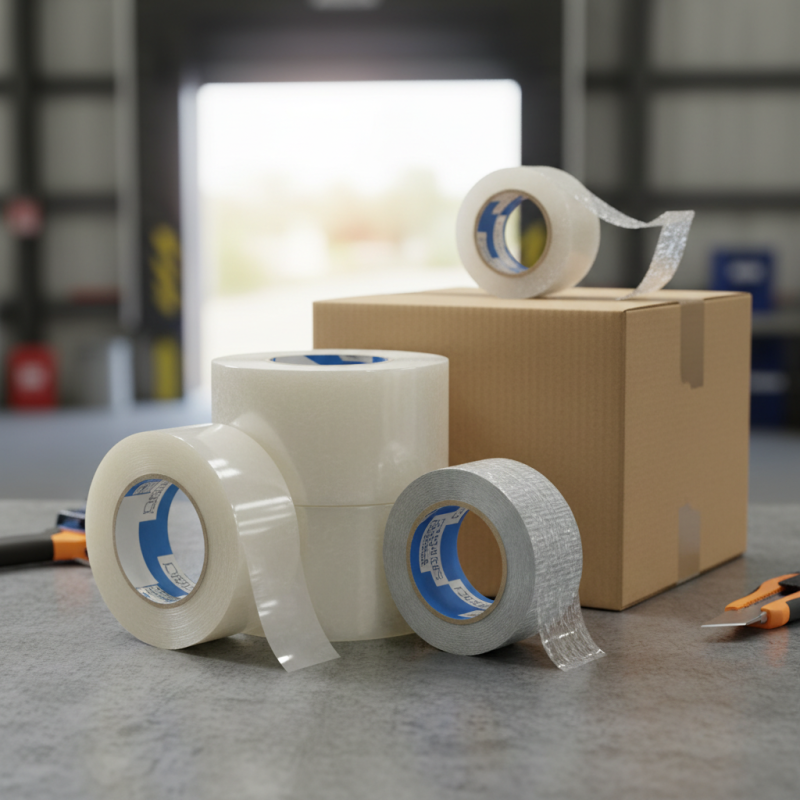
PP packaging tape, also known as polypropylene tape, is a versatile adhesive product used primarily for sealing packages. This type of tape features a backing made from polypropylene, making it durable and resistant to moisture. Its strong adhesive qualities ensure that packages remain securely sealed during transit. Many industries rely on PP tape for its reliability and cost-effectiveness.
One defining characteristic of PP packaging tape is its clarity. It comes in transparent options, allowing for easy identification of labels beneath the tape. Additionally, PP tape is lightweight yet strong, making it suitable for both light and heavy packages. While it can withstand various temperatures, it may not perform well in extreme conditions, such as excessive heat or direct sunlight. This performance gap is worth considering when selecting the right type of packing tape for specific needs.
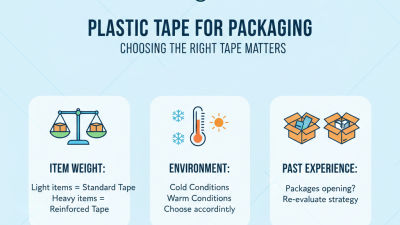
Choosing the best PP packaging tape involves evaluating its width, thickness, and adhesive strength. Thicker tapes generally provide stronger seals, which may be necessary for heavier items. Wider tapes help create a broader seal, enhancing protection. It’s important to reflect on your shipping conditions and the types of materials you are working with. Understanding these nuances can guide you in selecting a tape that not only meets your requirements but also minimizes potential delivery issues.
What is PP Packaging Tape and How to Choose the Best Option?
| Characteristic |
Description |
| Material |
Polypropylene (PP) |
| Adhesive Type |
Hot Melt or Water-Based |
| Thickness |
Typically ranges from 25 to 50 microns |
| Color |
Transparent, Brown, or Printed |
| Temperature Resistance |
Suitable for low to moderate temperatures |
| Application |
Sealing boxes, packaging, and bundling |
| Durability |
Good tensile strength and resistance to moisture |
| Eco-Friendliness |
Recyclable options are available |
| Cost |
Generally economical and cost-effective |
Advantages of Using PP Packaging Tape in Various Industries
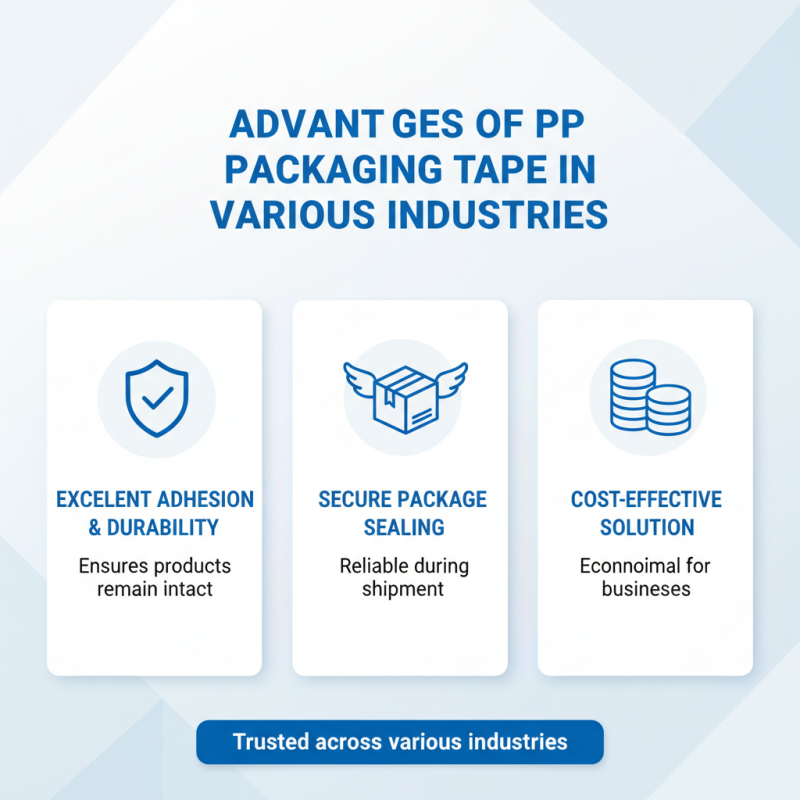
PP packaging tape is widely used in various industries due to its numerous advantages. This tape, made from polypropylene, offers excellent adhesion and durability. It effectively seals packages, ensuring that products remain intact during shipment. Many businesses rely on this type of tape for cost-effective packaging solutions.
One significant benefit of PP packaging tape is its resistance to moisture and UV light. This feature makes it ideal for outdoor use or in humid environments. For instance, companies in the construction and gardening sectors often utilize this tape for sealing boxes and bundling materials. In addition, its lightweight nature helps reduce overall shipping costs.
However, not all PP tapes are created equal. Some may lose adhesion over time or become brittle in extreme temperatures. It’s essential to choose a tape that meets specific needs. Understanding the application requirements can help businesses avoid waste and ensure reliable performance. Selecting the right option involves considering thickness, color, and adhesive types, which can lead to better outcomes.
Key Factors to Consider When Choosing PP Packaging Tape
When selecting PP packaging tape, several key factors matter. The tape's thickness and adhesive strength can greatly affect its performance. Thicker tapes usually provide more durability but may not be necessary for lighter packages.
Another essential aspect is the tape's temperature resistance. Some tapes perform better in specific climates. Knowing the conditions your packages will face can guide your choice. Additionally, consider the tape's unwind quality. A tape that rolls off smoothly saves time during application.
Visual cues also help in decision-making. Look for tapes with an opaque finish; they offer better privacy for shipping. Color coding can aid in organization too. However, some users may struggle to find the balance between quality and cost. A cheap option might save money but could compromise package security. It's necessary to weigh these trade-offs carefully.
PP Packaging Tape Usage Across Different Industries
This bar chart illustrates the percentage of PP packaging tape usage across various industries, highlighting the sectors that benefit the most from its versatile applications.
Comparing PP Packaging Tape with Other Types of Packaging Tapes
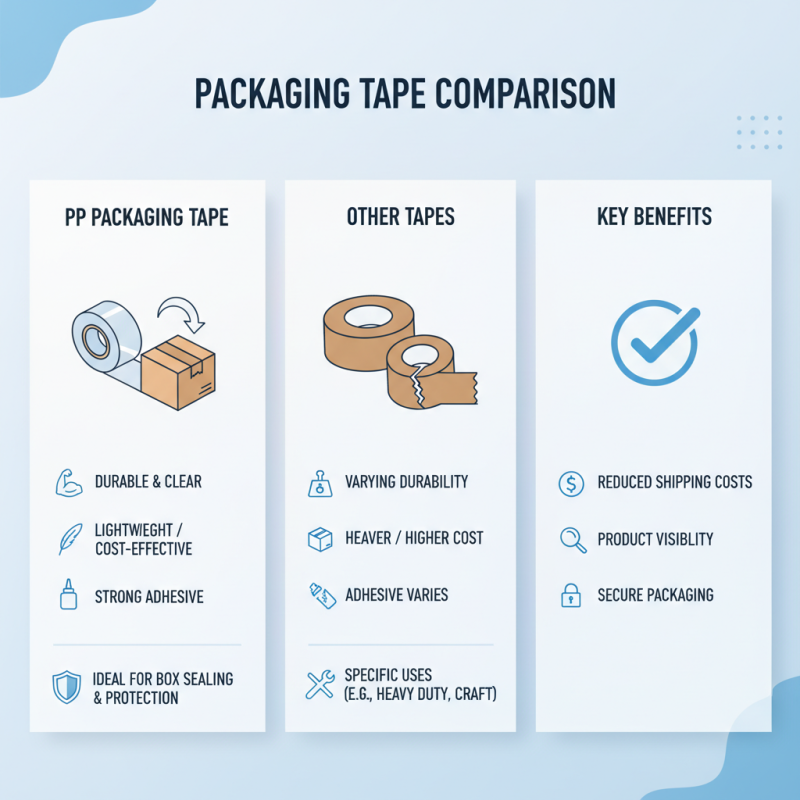
When comparing PP packaging tape with other types, several factors come into play. PP tape, made from polypropylene, offers durability and clarity. It’s lightweight, which reduces shipping costs. Many businesses prefer it for its strong adhesive properties. This type of tape is ideal for sealing boxes and protecting contents.
Other common types are PVC and paper tape. PVC tape is known for its flexibility and noise reduction, making it a favorite among packaging professionals. However, it may not adhere as well to certain surfaces. On the other hand, paper tape provides an eco-friendly option. Though it's biodegradable, it's less durable than PP tape.
Choosing the right tape can be challenging. Consider the weight of the items being shipped. PP tape may not be the best choice for extremely heavy products. Additionally, environmental impact is a growing concern. Balancing performance and sustainability can lead to tough decisions for businesses.
Tips for Properly Applying and Storing PP Packaging Tape
When it comes to applying PP packaging tape, the technique matters. Proper application ensures the integrity of your packages. According to a study from the Packaging Association, nearly 30% of shipping damages are due to poor tape application. Start with a clean surface. Ensure the area is dry and free from dust. This step enhances adhesion.
Storage is equally essential. PP tape should be stored in a cool, dry place. Heat and humidity can weaken the adhesive. Research suggests that stored tape can lose effectiveness after six months in adverse conditions. Consider wrapping tape rolls to protect them from dust. An unused roll should be handled with care to prevent it from becoming damaged. Tackling common issues like stuck or peeling tape can save time during packaging.
Be aware of how much tape you use. Over-taping can cause waste, while under-taping risks package integrity. Learning to strike the right balance is key. Remember, achieving the perfect application and storage takes practice. Mistakes happen, but reflecting on them leads to better results.