Stainless Steel Springs play a crucial role in various industries today. Their durability and resistance to corrosion make them a preferred choice for many applications. From automotive components to medical devices, these springs offer reliability and longevity.
One notable benefit is their ability to withstand harsh environments. Unlike other materials, stainless steel does not easily rust or degrade. This offers peace of mind for engineers and manufacturers. Additionally, stainless steel springs can maintain their shape and performance over time, reducing the need for frequent replacements.
However, it’s essential to note that not all stainless steel springs are created equal. Variations in quality can affect their performance. Investing in high-quality materials is important. Understanding the specifics of stainless steel grades can guide users toward the best choices for their needs.
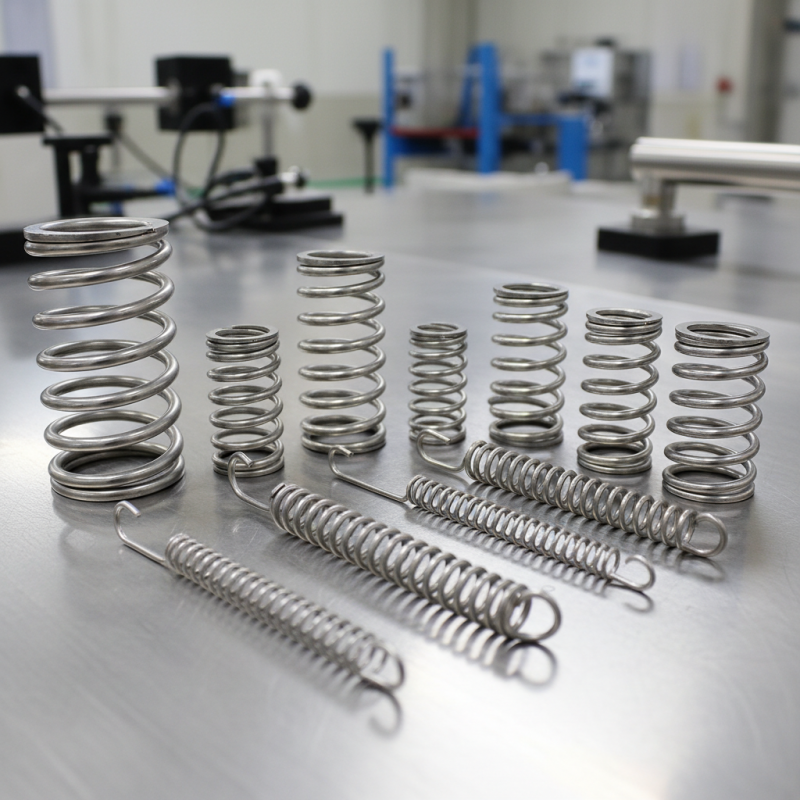
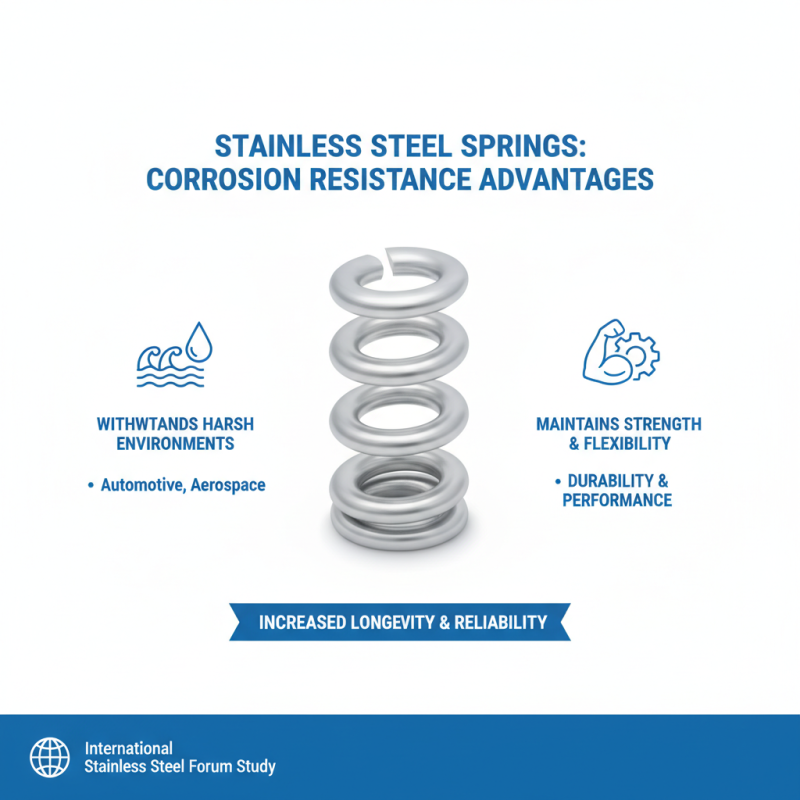
Stainless steel springs are increasingly popular due to their robust corrosion resistance. A study by the International Stainless Steel Forum highlights that stainless steel can withstand harsh environments without compromising strength or flexibility. This is crucial in industries like automotive or aerospace, where performance and durability are paramount.
Corrosion can lead to costly failures and safety issues. According to NACE International, corrosion costs the U.S. economy over $300 billion annually. Stainless steel springs mitigate this risk significantly. They resist rust and degradation, providing long-lasting performance in moisture-prone applications. For instance, in marine settings, stainless steel springs can operate effectively without the frequent replacements seen with other materials.
Despite these benefits, it's essential to consider that not all stainless steel is created equal. Variability in quality can affect longevity. Manufacturers need to ensure that the springs meet industry standards for optimal performance. Understanding the grades and properties of stainless steel is key for making informed decisions. Therefore, while stainless steel springs offer great advantages, thorough knowledge and careful selection remain crucial.
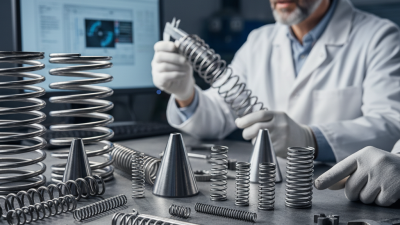
Stainless steel springs are renowned for their durability and longevity. This makes them a popular choice across many industries. Unlike other materials, stainless steel resists corrosion, which helps it withstand harsh environments. For instance, springs used in outdoor applications often face moisture and UV rays. Stainless steel springs can endure these conditions better than their counterparts.
The composition of stainless steel adds to its strength. It contains alloys like chromium and nickel, which enhance its resilience. Many industries report fewer replacements when using stainless steel springs. This leads to cost savings over time. On the other hand, springs made from inferior materials may need frequent replacements. This can lead to unexpected downtime and increased operational costs.
However, it’s worth noting that not all stainless steel springs are created equal. Variations in quality can exist. It’s essential to source springs that meet industry standards. This ensures reliable performance in critical applications. Therefore, investing time in selecting the right supplier is crucial. It’s a step that shouldn’t be overlooked, especially when durability is a priority.
Stainless steel springs are at the forefront of high-stress applications. Their unique characteristics make them suitable for various industries, from automotive to aerospace. They resist fatigue better than other materials. This durability enhances their lifespan, making them reliable choices for critical applications. In environments where performance cannot fail, stainless steel springs excel.
The properties of stainless steel contribute to their enhanced performance. They possess high tensile strength and excellent corrosion resistance. These characteristics allow them to maintain functionality under intense pressure. Some springs deform over time, but stainless steel types tend to retain their shape. Users often notice that they work efficiently, even in challenging conditions. However, not all applications require high-performance springs. Evaluating the specific use case is vital.
While their benefits are clear, challenges still exist. Stainless steel is heavier than alternatives like plastic springs. This weight might not be suitable for every application, especially in weight-sensitive designs. Additionally, the manufacturing process can be more complex. Some industries may prefer traditional options due to cost concerns. A thoughtful analysis is necessary to ensure the best selection.
Stainless steel springs offer significant cost-effectiveness that many businesses overlook. They require less maintenance compared to other materials. For instance, these springs resist rust and corrosion, extending their lifespan. This durability equates to fewer replacements over time, which saves money. Companies can allocate these savings to other important areas.
Maintenance for stainless steel springs is simpler. They typically need only periodic inspections. The less frequent upkeep reduces labor costs. This aspect captivates engineers and management alike. Regular maintenance can disrupt production schedules, hindering productivity. Using stainless steel springs helps companies maintain operational flow.
It's also worth noting that not every application suits stainless steel springs. In harsh chemical environments, their performance may vary. Selecting the right material requires careful consideration. Balancing initial costs with long-term savings is critical. Overall, despite challenges, the lifecycle benefits of stainless steel springs are compelling.
| Benefit | Description | Cost-Effectiveness | Maintenance Savings |
|---|---|---|---|
| Durability | Stainless steel springs can withstand harsh environments without corroding. | Reduced replacement costs over time. | Lower need for frequent maintenance. |
| Corrosion Resistance | Highly resistant to rust and degradation. | Less chemical damage leads to savings. | Infrequent inspections needed. |
| Versatility | Suitable for various applications, including automotive and aerospace. | Flexible use reduces costs. | No need for multiple types of springs. |
| Temperature Resilience | Retains properties in extreme temperatures. | Reduces the risk of failure. | Longer operational life without issues. |
| Aesthetic Appeal | Polished finishes enhance visual appeal. | Reduced need for finishes/paints. | Lower cleaning and maintenance frequency. |
| Strength-to-Weight Ratio | High strength while remaining lightweight. | Saves on material costs. | Less wear and tear on supporting structures. |
| Recyclability | Fully recyclable, supporting sustainability. | Cost savings through recycling processes. | Less environmental maintenance. |
| Long Lifecycle | Longevity reduces frequency of replacement. | Fewer purchases needed over time. | Saves on maintenance during service life. |
| Low Maintenance | Easy to maintain with simple cleaning. | Lower labor costs for upkeep. | Minimum downtime for repairs. |
Stainless steel springs are gaining traction across various industries due to their impressive versatility. Their unique properties allow them to adapt to different needs. For instance, in the automotive sector, these springs provide reliable performance in harsh conditions. They resist corrosion, ensuring longevity even in challenging environments. This durability makes them essential for safety features like suspension systems.
In the medical field, stainless steel springs find applications in devices such as surgical tools and prosthetics. They maintain precision and strength, which are crucial for patient safety. Additionally, in the electronics industry, these springs support various mechanisms, contributing to the functionality of devices. Their ability to handle various temperatures and pressures makes them ideal for diverse uses.
However, not every application is flawless. Although stainless steel springs are resilient, they can be costlier than alternative materials. Their production may also involve more complex manufacturing processes, which can challenge some smaller operations. Companies must carefully weigh these factors against the benefits. Understanding these nuances is vital in making informed decisions about material use.