Why Understanding Circuit Board Parts is Essential for Electronics Repair
Understanding Circuit Board Parts is essential for anyone involved in electronics repair, as these components play a critical role in the functionality and reliability of electronic devices. According to a report by the Electronics Industry Association, the global electronics repair market is projected to grow at a compound annual growth rate (CAGR) of 7.5% through 2026, underscoring the increasing demand for skilled technicians who can diagnose and fix electronic issues effectively. A thorough knowledge of circuit board parts, including resistors, capacitors, and integrated circuits, enables technicians to troubleshoot potential problems more efficiently and provide cost-effective solutions to customers.
As technology continues to evolve, the complexity of circuit boards increases, making it imperative for repair professionals to stay informed about the latest advancements in electronic components. The International Electrotechnical Commission (IEC) notes that the miniaturization of electronic components has led to more intricate circuit designs, which in turn require a deeper understanding of how these parts interact within a system. By mastering the fundamentals of circuit board parts, technicians can enhance their diagnostic capabilities, minimize repair time, and ultimately support the sustainable lifecycle of electronic products. This expertise not only benefits individual technicians but also bolsters the reliability and reputation of electronic repair services in a rapidly changing marketplace.
Understanding the Basic Components of a Circuit Board
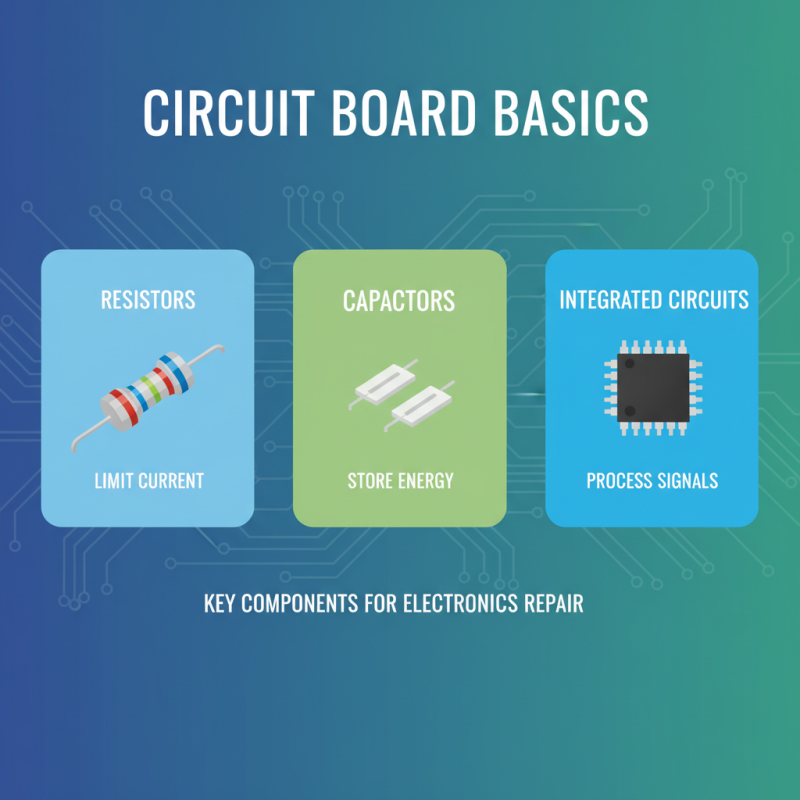
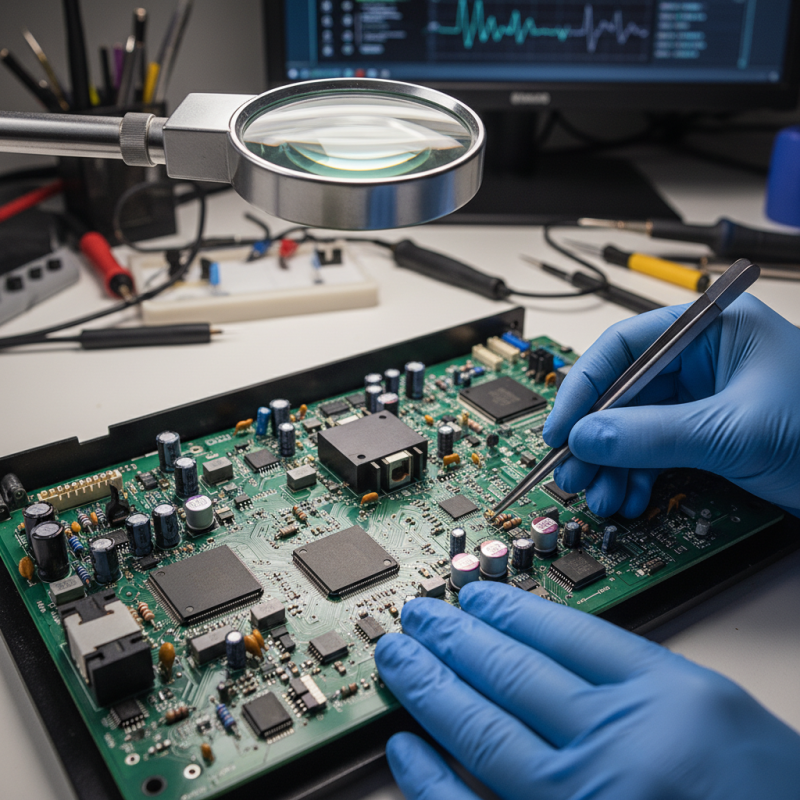
Understanding the basic components of a circuit board is crucial for anyone involved in electronics repair. Circuit boards are the backbone of electronic devices, housing a variety of parts that work together to ensure functionality. Key components include resistors, capacitors, and integrated circuits. Each of these elements plays a distinct role; for example, resistors limit the current flow, while capacitors store and release electrical energy. Familiarity with these components allows technicians to diagnose issues more effectively and determine whether repairs or replacements are necessary.
Moreover, understanding the layout of a circuit board can significantly enhance the repair process. The interconnected paths, or traces, on the board allow current to flow between components. Knowledge of how these traces function is essential for detecting short circuits or open circuits that can lead to device malfunction. Additionally, being able to identify which parts are likely to fail based on their function gives repair professionals a competitive edge. This foundational knowledge not only speeds up the repair process but also ensures that repairs are performed with a greater likelihood of success, minimizing the risk of further damage to the device.
The Role of Resistors in Electronic Circuits
Resistors play a crucial role in electronic circuits by regulating the flow of electric current. They do this by providing a specific amount of resistance, which controls how much current can pass through a given point in a circuit. This ability to manage current is essential for preventing damage to sensitive components and ensuring the overall functionality of the device. Understanding how resistors work and their various types is fundamental for anyone looking to repair or create electronic devices effectively.
Moreover, resistors not only limit current but also help in voltage division. By allowing specific portions of voltage to be dropped across them, they enable designers to achieve the required voltage levels for different parts of a circuit. This feature is particularly important in applications where multiple components require different operating voltages. Additionally, resistors can be used in timing applications, filters, and signal conditioning, which further highlights their versatility and importance in electronic design and repair. Thus, a thorough grasp of resistors and their functions is indispensable for anyone engaged in the field of electronics.
Capacitors: Function and Importance in Circuit Boards
Understanding the role of capacitors in circuit boards is vital for anyone involved in electronics repair. Capacitors are passive components that store and release electrical energy, playing a critical role in smoothing out voltage fluctuations and filtering signals. Their ability to hold charge means they can stabilize power supplies, protect sensitive components, and maintain circuit performance. In situations where electronics fail, recognizing the signs of a faulty capacitor—such as bulging, leaking, or discoloration—can lead to quicker diagnostics and repair.
When working with capacitors, here are a couple of tips to keep in mind: First, always ensure the capacitor is fully discharged before handling, as they can hold a charge that might lead to electrical shock. Secondly, consider the capacitance value and voltage rating when replacing capacitors; using the wrong specifications can result in malfunctioning circuits or further damage to the board. Understanding these fundamentals not only enhances your repair skills but also prolongs the lifespan of electronic devices.
Why Understanding Circuit Board Parts is Essential for Electronics Repair - Capacitors: Function and Importance in Circuit Boards
| Component Type |
Function |
Importance |
Common Values |
| Electrolytic Capacitor |
Stores energy and filters signals |
Essential for power supply smoothing |
1µF to 1000µF |
| Ceramic Capacitor |
Decoupling and timing applications |
Commonly used in RF applications |
1pF to 10µF |
| Tantalum Capacitor |
High capacitance with a small volume |
Useful in compact devices |
0.1µF to 100µF |
| Film Capacitor |
Stable and reliable for AC applications |
Low losses and long lifespan |
10nF to 10µF |
Understanding the Purpose of Diodes and Transistors
Diodes and transistors are fundamental components of electronic circuits, each serving distinct and crucial functions. Diodes, primarily, allow current to flow in one direction while blocking it in the opposite direction. This unidirectional flow is essential for converting alternating current (AC) to direct current (DC), a common requirement in power supplies for various electronic devices. According to industry reports, diodes account for a significant portion of electronic components used today, with global market growth projected to reach $10 billion by 2026, driven by increasing demands in consumer electronics and renewable energy applications.
Transistors, on the other hand, are the building blocks of modern electronics. They act as switches or amplifiers, regulating electrical signals in circuits. Their ability to control the flow of current makes them vital for functioning in everything from simple amplifiers to complex microprocessors. The adoption of transistors revolutionized electronic design, allowing for smaller, more efficient devices. Research indicates that the global semiconductor market, which encompasses various types of transistors, is expected to grow to over $600 billion by 2025. This rapid growth highlights the ongoing innovation and demand for effective electronic solutions across numerous industries, underscoring the importance of understanding these components in electronics repair and development.
How Circuit Board Layout Affects Electronics Repair
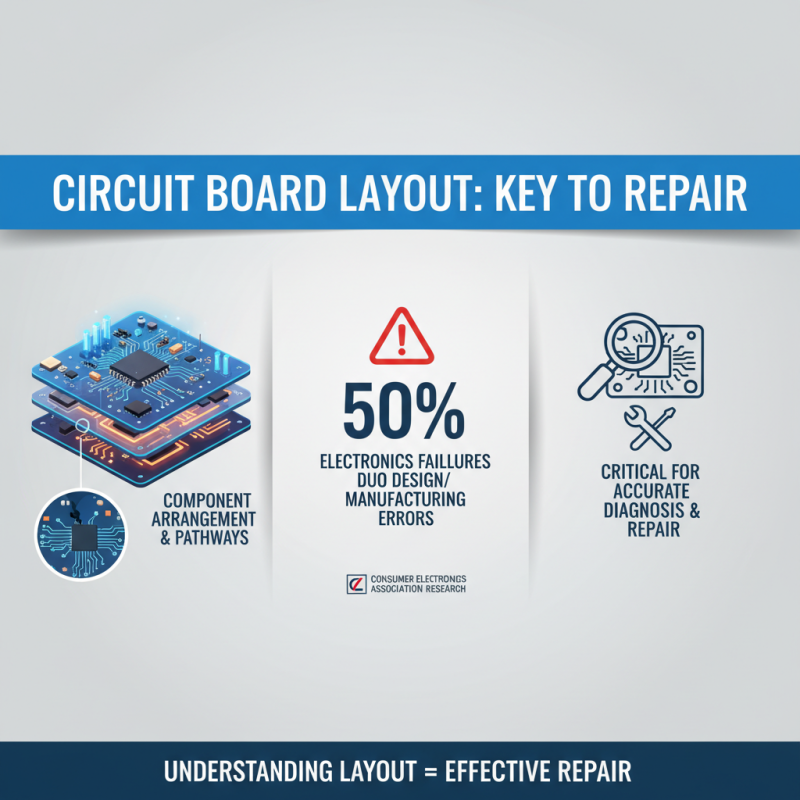
Understanding the layout of a circuit board is critical for effective electronics repair. A circuit board's layout defines the arrangement of components, traces, and pathways that connect various elements within an electronic device. Research from the Consumer Electronics Association indicates that nearly 50% of electronics failures are attributed to issues related to circuit board design and manufacturing errors. This highlights the necessity for technicians to possess a thorough comprehension of the board layout to accurately diagnose and repair faults.
Repairing circuit boards requires skills in navigating complex arrangements of components. For instance, a densely populated circuit board may lead to challenges such as short circuits or signal interference. According to a study published by the Institute of Electrical and Electronics Engineers, a well-designed layout can reduce maintenance costs by up to 30% and improve the reliability of repairs. Thus, technicians must not only identify but also understand the role of each component within the layout to ensure a successful repair. Knowledge of how traces run and how components are interconnected is invaluable when troubleshooting and replacing damaged sections effectively, reducing repair time and minimizing the risk of recurring issues.