Top Quality Plastic Tape for Packaging Solutions Worldwide?
In the world of packaging, selecting the right materials is crucial. Plastic tape for packaging stands out for its versatility and strength. It serves various industries, from retail to manufacturing. Choosing the best options can make all the difference in efficiency and cost-effectiveness.
With so many choices available, it becomes challenging to find top-quality plastic tape for packaging. Factors such as adhesion, durability, and ease of use play a significant role. While some brands promise high performance, not all deliver. It's essential to assess both customer reviews and industry standards before making a decision.
A reliable supplier is key to ensuring you receive the plastic tape you need. Many companies offer vast selections, but quality varies widely. Trusting the wrong supplier can lead to increased costs and wasted time. As businesses navigate this landscape, the focus should remain on those exhibiting proven expertise and reliability. This ongoing reflection can help guide better choices in packaging solutions.
Understanding Plastic Tape: Types and Uses in Packaging
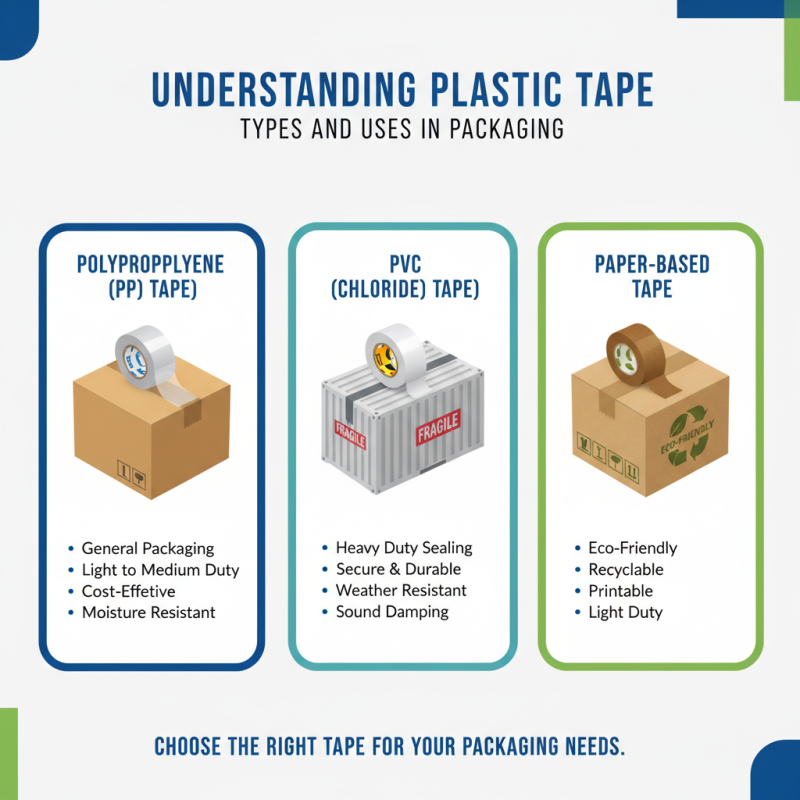
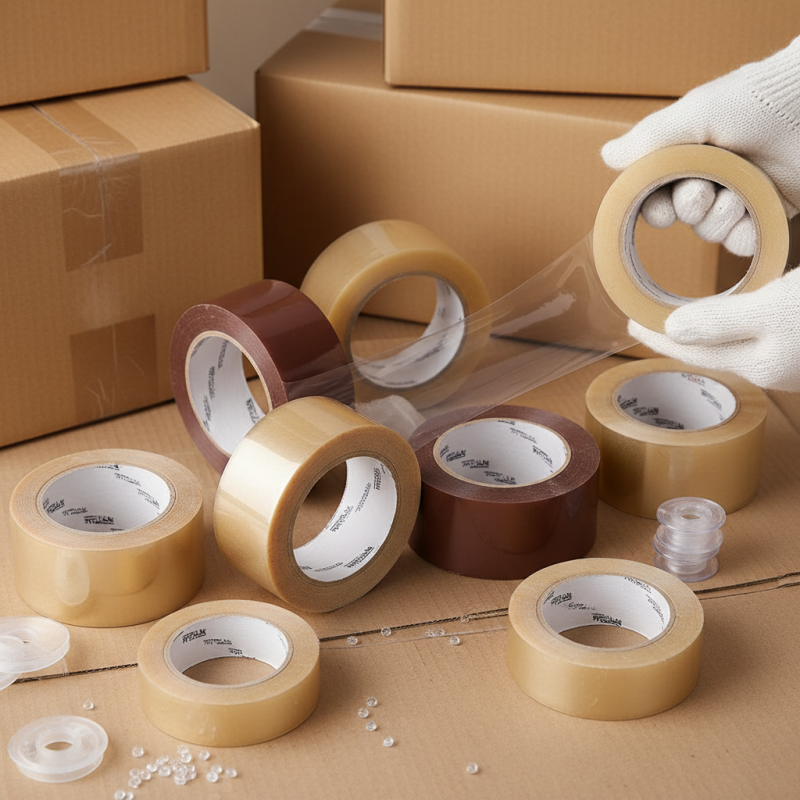
Plastic tape is essential in the packaging industry, providing solutions for various applications. Understanding the types of plastic tape is crucial for making informed choices. There are several types of plastic tape, including polypropylene, PVC, and paper-based options. Each type serves distinct purposes depending on the packaging needs.
Polypropylene tape is often used for general packaging. It is lightweight and resistant to moisture and UV rays. According to a recent industry report, polypropylene accounts for about 45% of the global adhesive tape market, indicating its popularity. However, some users have noted its tendency to loosen at high temperatures, leading to potential challenges during logistics.
PVC tape is more robust and offers better adhesion. Research shows that nearly 30% of companies prefer PVC for heavy-duty applications. It performs well in extreme conditions, but its environmental impact raises concerns. Users should consider the balance between performance and sustainability. Paper-based tapes provide a more eco-friendly alternative, while still offering decent performance. Yet, they may not match the durability of plastic options in high-moisture environments.
Key Features of High-Quality Plastic Tape for Packaging Solutions
When considering plastic tape for packaging, quality is paramount. High-quality plastic tape provides durability and reliability in various applications. It should resist tearing, even under stress. The adhesive must be strong, ensuring a secure seal over time. This is especially vital for long-distance shipping. A tape that fails can lead to damaged contents.
Another factor to consider is the tape's resistance to moisture and temperature changes. Packaging often faces different environmental conditions. If a tape loses its adhesion due to heat or humidity, it compromises the integrity of the package. Furthermore, the ease of application is essential. A tape that unwinds smoothly and cuts easily saves time and prevents frustration.
While many tapes claim to be the best, evaluating their performance is crucial. User reviews can offer insights, but personal experience often reveals more. Observing how a tape behaves under pressure or during transport allows one to make informed decisions. Quality plastic tape plays a significant role in ensuring safety and satisfaction in packaging solutions.
Comparative Analysis: Plastic Tape vs. Other Packaging Materials
When it comes to packaging solutions, plastic tape stands out. Its versatility is impressive. It can be used in various industries, from shipping to retail. Plastic tape offers durability and strength. This makes it an ideal choice for sealing boxes and securing fragile items. Certain plastic tapes are also resistant to moisture and temperature changes. This feature is critical for different shipping environments.
However, while plastic tape is popular, it is not the only option available. Compared to paper tape or metal strapping, plastic tape provides unique advantages. Paper tape can be eco-friendly but may lack the same strength. Metal strapping is strong but can be cumbersome and costly. Each material has its specific functions. This creates a challenging decision for businesses when choosing packaging solutions.
It's essential to reflect on the effectiveness of each material. Sometimes, businesses might prioritize cost over quality. This can lead to increased product damage during transit. Moreover, the effectiveness of a packaging solution often varies based on the application. Finding the right balance between reliability and cost is crucial in the packaging industry.
Top Quality Plastic Tape for Packaging Solutions Worldwide
| Packaging Material |
Cost per Unit ($) |
Durability (Years) |
Environmental Impact (1-5) |
Usage Versatility (1-5) |
| Plastic Tape |
0.30 |
3 |
3 |
5 |
| Paper Tape |
0.25 |
2 |
4 |
3 |
| Bubble Wrap |
0.50 |
4 |
2 |
4 |
| Stretch Film |
0.45 |
5 |
2 |
5 |
| Foam Wrap |
0.60 |
5 |
3 |
4 |
Global Trends in Plastic Tape Manufacturing and Sustainability Practices
The plastic tape industry is experiencing significant changes, especially in manufacturing and sustainability practices. According to a report by MarketsandMarkets, the global adhesive tape market is projected to reach USD 81.6 billion by 2025, growing at a CAGR of 4.7%. Sustainability remains a central theme as companies seek eco-friendly materials. Many manufacturers are now adopting recycled plastics to create tapes, reducing waste and promoting a circular economy.
Sustainability in production is paramount. The increasing awareness about plastic pollution drives demand for biodegradable tapes. Reports suggest that biodegradable options can break down within six months to five years, minimizing environmental impact. For example, switches to plant-based adhesives are becoming more common. However, the challenge lies in the performance of these materials, which may not always match traditional counterparts.
Tips: Consider the thickness and adhesive strength of tapes before purchase. It can affect logistics and unboxing experiences. Look for certifications that guarantee eco-friendly standards. Remember, not all "green" labels are equal; research is necessary to ensure genuine sustainability. Regular audits and improvements in practices can enhance the overall efficiency of tape usage.
Consumer Insights: Choosing the Right Plastic Tape for Your Needs
When selecting plastic tape for packaging, various factors come into play. Market research shows that the global adhesive tape market is projected to grow steadily, reaching USD 82.82 billion by 2027. This highlights the increasing demand for high-quality packaging solutions. Consumers need to consider factors such as adhesion strength, thickness, and resistance to environmental conditions.
A recent survey found that 70% of consumers prioritize tape durability during shipping. This means stronger tape prevents damages and enhances customer satisfaction. Transparent tape is often preferred for its versatile applications. However, users should be cautious about the tape's compatibility with different surfaces to avoid unwanted residue.
Tips: Always test a small portion of the tape on your packaging material. This ensures optimal performance without damaging the surface. Consider using printed tape for branding efforts; it can enhance your packaging’s appeal.
Another point of consideration is the environmental impact. Many consumers are becoming aware of sustainable packaging options. The industry reports that
30% of consumers prefer eco-friendly tape made from recycled materials. It’s crucial to balance performance and sustainability, making informed choices that align with personal values.