10 Tips for Choosing an Automatic Carrier Tape Forming Machine?
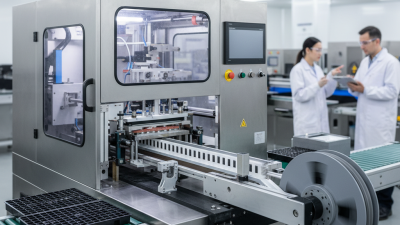
Choosing the right Automatic Carrier Tape Forming Machine is crucial for your production line. The demand for efficient packaging solutions is ever-increasing. A well-selected machine can enhance productivity and reduce waste. However, the market offers a vast range of options, making the decision challenging.
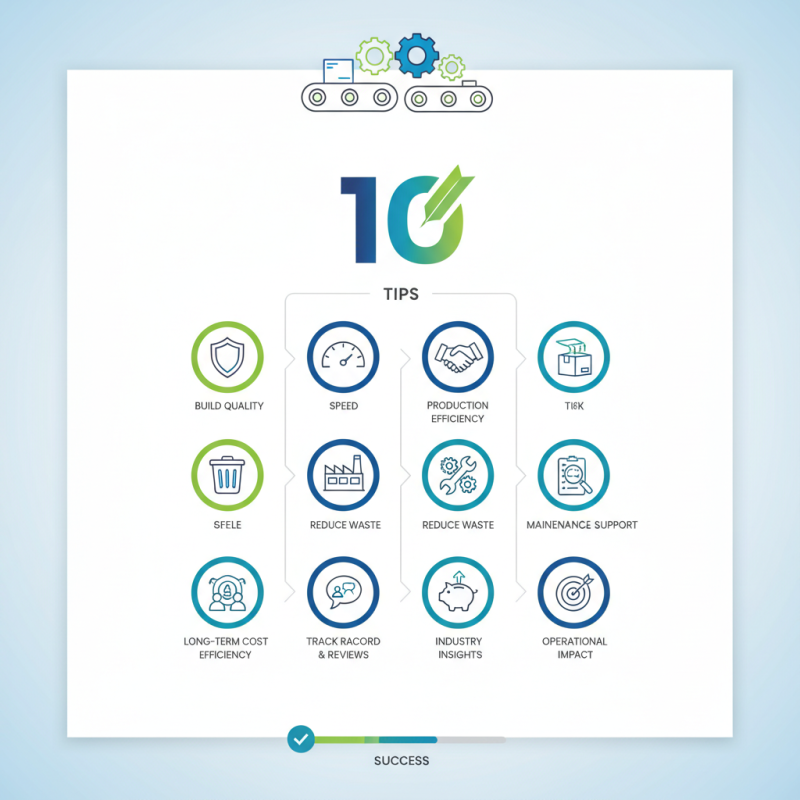
When assessing these machines, consider factors like build quality, speed, and reliability. Not all machines perform equally under different conditions. For example, some may struggle with adhesive materials, leading to production delays. It’s important to look for machines that have a proven track record and positive reviews from users.
Investing in an Automatic Carrier Tape Forming Machine is not just about upfront costs. Ongoing maintenance and support are vital for long-term success. Reflect on the experiences of others in the industry. Their insights might reveal what to avoid, and what features are essential. Ultimately, a thoughtful choice can significantly impact your operational efficiency.
Key Features to Look for in Automatic Carrier Tape Forming Machines
When selecting an automatic carrier tape forming machine, it's crucial to focus on key features that ensure efficiency and reliability. Industry reports indicate that a well-chosen machine can reduce production time by up to 30%. Look for machines with adjustable tape width to accommodate various component sizes. This flexibility allows manufacturers to cater to a diverse product range.
Check for precision in tape forming. Machines should have an error rate below 1%. Precision not only enhances quality but also minimizes waste. Sensors that detect misalignment can further improve the process. Some automatic machines offer integrated inspection features, ensuring each tape is formed correctly before proceeding.
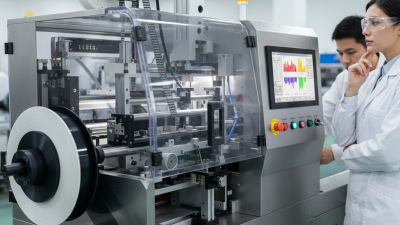
Investing in a machine with a user-friendly interface is beneficial. Operators should be able to adjust settings effortlessly. A complicated interface can lead to training challenges and operational delays. Consider machines with a robust support system. Access to professional advice or troubleshooting can save valuable time. The ideal machine should balance technology with practicality, offering advanced features while remaining easy to operate.
Key Features to Look for in Automatic Carrier Tape Forming Machines
Understanding the Different Types of Carrier Tape Forming Machines
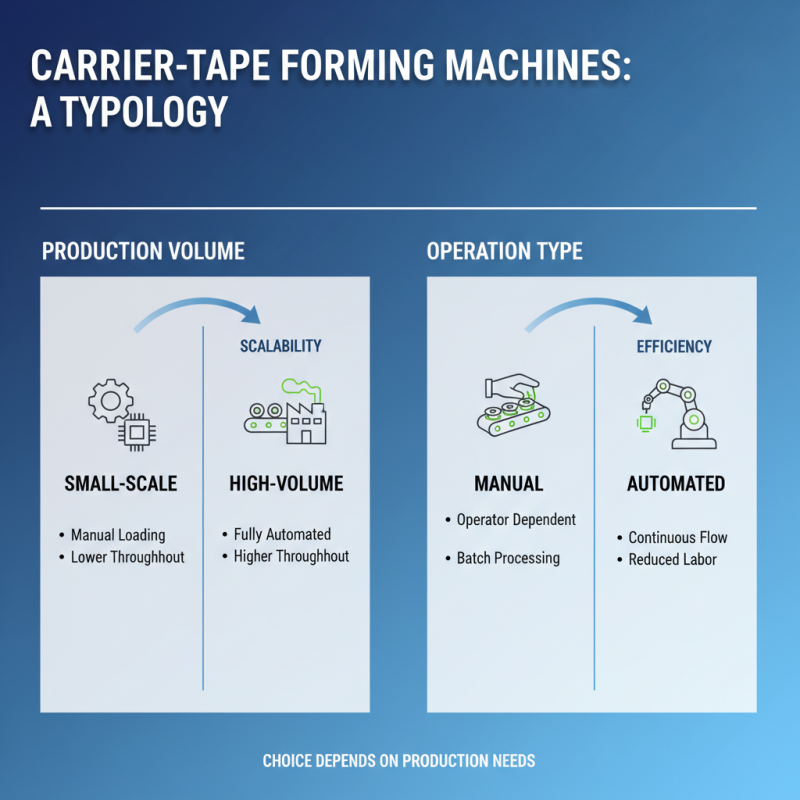
When choosing an automatic carrier tape forming machine, understanding the different types available is crucial. Carrier tape machines vary widely in design and functionality. Some are suited for small-scale production, while others excel in high-volume environments. Machines may be manually loaded or fully automated. The choice depends on the specific needs of your production line.
One common type is the flat tape forming machine. It creates uniform tape shapes essential for certain components. Then, there are deep-pocket machines designed for larger components. These machines offer versatility but may require more maintenance. Others specialize in odd shapes, catering to unique component needs. Evaluating these options can be challenging, especially when your production demands change frequently.
Consider the machine's adaptability to different widths and thicknesses. This flexibility can save costs in the long run. Think about the after-sales support offered. Manufacturers with a solid reputation often provide better customer service. Reflect on your choice for a moment. Are you prioritizing speed over versatility? Or are you focusing on cost efficiency? These reflections can influence your final decision.
Evaluating Production Speed and Efficiency Requirements
When selecting an automatic carrier tape forming machine, production speed and efficiency are critical factors. Assessing your specific needs requires a clear understanding of your operational demand. What is your target output? Machines vary significantly in their speed capabilities. Some may deliver thousands of components per hour, while others might offer lower rates. It's essential to align this with your production schedule to avoid bottlenecks later.
Efficiency plays a vital role in ensuring that your processes maximize output while minimizing waste. Consider how well a machine integrates with your existing workflow. Does it require manual adjustments? Or can it operate continuously with minimal supervision? A machine’s efficiency is also tied to maintenance needs. Machines that frequently malfunction can disrupt production, leading to potential losses. Evaluating these factors will help in making an informed decision.
Production speed isn't everything. You might face challenges balancing speed with quality. A fast machine might sacrifice precision if not properly calibrated. It's important to find that sweet spot between speed and achieving the standards your product demands. Reflecting on your previous experiences can provide insights into what works and where improvements are needed. Balancing these elements effectively can enhance overall productivity.
Assessing Machine Compatibility with Your Components
When choosing an automatic carrier tape forming machine, assessing compatibility with your components is crucial. Start by understanding the dimensions of your components. Their size will dictate the design of the tape. For example, small electronic parts require narrower tapes. Conversely, larger parts need broader options. Mistakes in dimensions can lead to improper fit and inefficiencies.
Next, consider the material of both the components and the tape itself. Some components might interact negatively with certain materials. It’s essential to ensure that the tape material won’t react with the components it carries. For instance, sensitive electronic parts may be affected by static. Hence, selecting a static-free material is beneficial.
Also, think about the machine's speed and functionality. Not all machines offer the same speed capabilities. If your production line demands high efficiency, a slower model may cause bottlenecks. Evaluate whether a machine can adapt to your changing needs. Flexibility can be critical for future adjustments. Ultimately, proper assessment ensures your machine enhances productivity rather than hinders it.
Importance of After-Sales Support and Maintenance Services
When selecting an automatic carrier tape forming machine, after-sales support is crucial. Many buyers overlook this aspect. However, having reliable maintenance services can extend the life of your equipment. A good support team can assist with troubleshooting. Quick responses to issues can minimize downtime and production losses.
Maintenance services should include regular check-ups. These checks help identify potential problems before they escalate. Consistent servicing ensures optimal machine performance. It fosters trust between the user and the supplier. Often, a warranty may offer peace of mind, but it's the after-sales team that plays an essential role.
Consider this: a top-notch machine can still fail without proper help. A lack of support can lead to frustration. Choosing a machine without assessing its support options may result in costly mistakes later on. Evaluating after-sales services is as important as assessing technical specifications.