What is Plastic Carrier Tape and Its Applications?
Plastic Carrier Tape is a vital component in many industries. It serves as a reliable means of transporting and storing electronic components. Dr. Jane Smith, a leading expert in packaging technology, emphasizes that “Plastic Carrier Tape ensures precision and efficiency in component placement.”
This specialized tape is typically made from materials like polypropylene, offering durability and flexibility. Its applications stretch across various sectors, from electronics to automotive. It helps in organizing tiny parts, preventing damage during transport. Yet, there are challenges in production quality. Some manufacturers struggle with consistency, leading to material failure.
As industries evolve, the demand for high-quality Plastic Carrier Tape grows. Companies must address imperfections to meet the rising standards. Understanding the properties and applications of this tape is essential for companies aiming to enhance their processes. Investing in quality control may lead to more effective solutions.
Definition of Plastic Carrier Tape
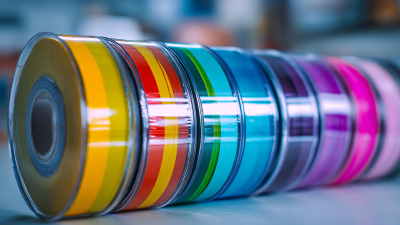
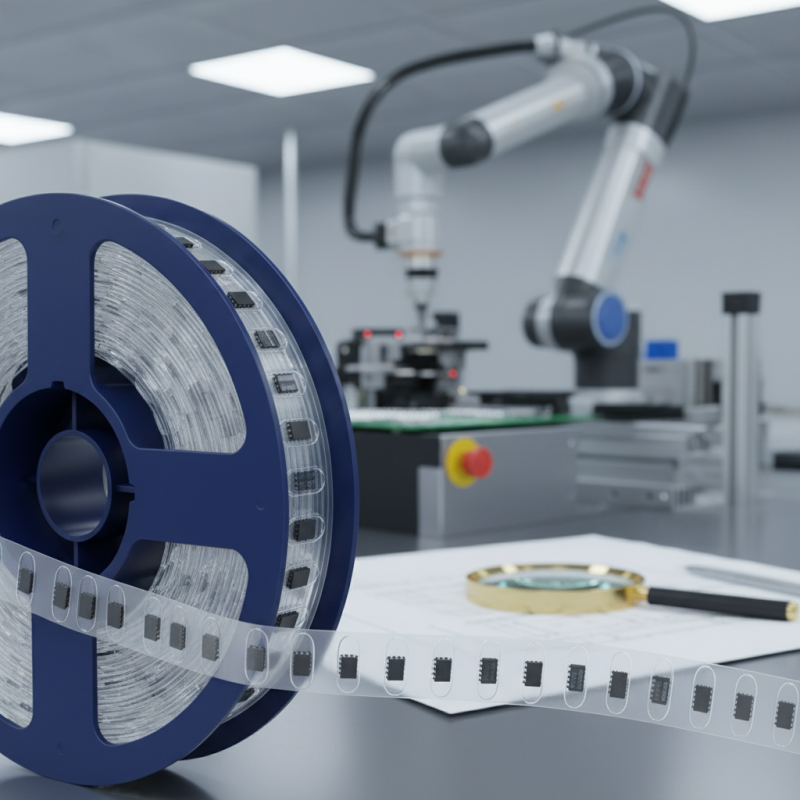
Plastic carrier tape serves a crucial role in various industries. This specialized tape is typically made from durable, flexible plastic. It is designed to hold components securely in place during manufacturing and transportation. The material offers great resistance to moisture and chemicals, making it ideal for sensitive electronic parts.
The design of plastic carrier tape varies based on its application. For instance, some tapes feature pockets to hold small items, while others have larger compartments for bulkier components. This versatility boosts efficiency in assembly lines. However, many manufacturers might overlook the specific needs of their products, leading to unnecessary waste and costs.
In addition, improper usage can undermine the benefits of plastic carrier tape. If the tape is not correctly aligned or the components are not properly seated, issues can arise during the production process. Companies should be aware of these potential pitfalls. Continuous testing and adjustments are necessary to ensure optimal performance.
Plastic Carrier Tape Applications Overview
Materials Used in Plastic Carrier Tape Production
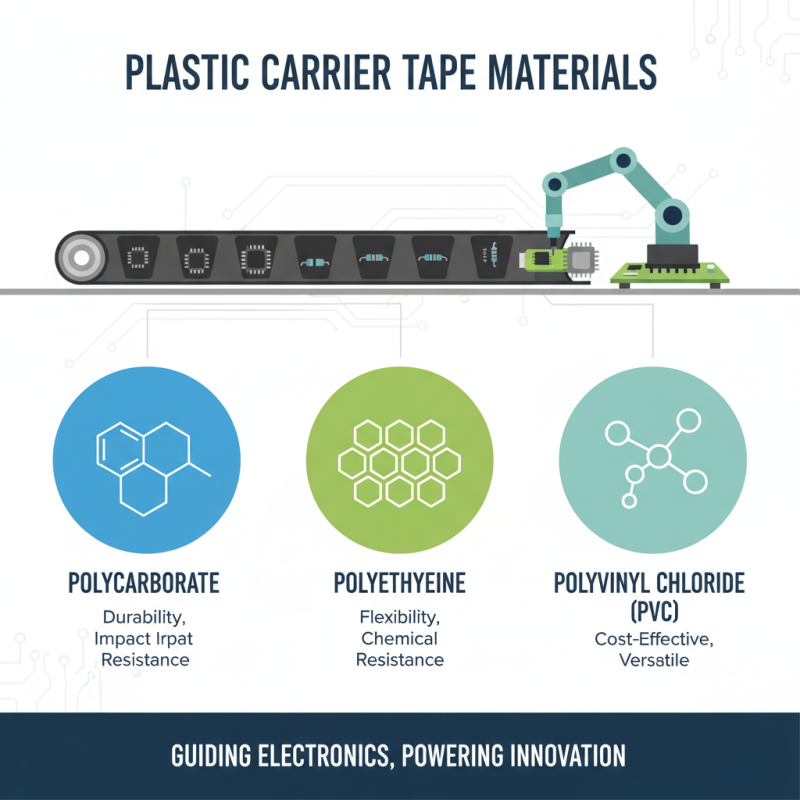
Plastic carrier tape is essential in the electronics industry. It guides components for automatic placement on circuit boards. The performance of this tape greatly depends on the materials used in its production. Commonly, materials like polycarbonate, polyethylene, and polyvinyl chloride (PVC) are utilized. These materials offer durability and flexibility.
Polycarbonate is favored for its high impact resistance. It withstands the rigors of transport well. Polyethylene is lightweight and cost-effective. It's often chosen for mass production. Recent industry data shows that around 30% of carrier tapes are made from recycled plastics. This trend reflects a growing commitment to sustainability. However, there are concerns about the consistency in quality when using recycled materials.
Another material often overlooked is the adhesive. The choice of adhesive can affect the tape’s performance. It needs to bond well but also allow easy release. Selecting the right adhesive is critical. Improper choices can lead to tape failures, impacting production efficiency. Thus, the materials chosen for carrier tape play a significant role in its overall effectiveness. The ongoing challenge remains balancing quality with cost while addressing environmental concerns.
Common Applications of Plastic Carrier Tape
Plastic carrier tape plays a crucial role in various industries. Its primary function is to transport components efficiently during manufacturing. This tape is typically made from durable materials, allowing it to withstand the challenges of high-speed production lines.
One common application is in the electronics sector. Plastic carrier tape is used to hold surface-mounted devices securely. This method simplifies the assembly process and reduces errors. Another application is in the automotive industry. Here, it aids in the packaging of small parts, ensuring they remain organized throughout transport.
Despite its advantages, there can be challenges. Sometimes, the components may not release easily from the tape. This can cause delays in production. Additionally, improper handling may lead to damage in delicate items. Addressing these issues is vital for optimizing efficiency in manufacturing operations.
What is Plastic Carrier Tape and Its Applications? - Common Applications of Plastic Carrier Tape
| Application Area |
Description |
Key Features |
| Electronics Manufacturing |
Used for packaging and transporting surface mount devices (SMDs). |
High durability, precise alignment, anti-static properties. |
| Automotive Industry |
Utilized for storing and handling small components like connectors and sensors. |
Temperature resistance, moisture protection, and compatibility with automated handling. |
| Medical Devices |
Packaging for surgical instruments and electronic medical devices. |
Sterility, chemical resistance, and reliable transport. |
| Consumer Goods |
Used for packaging household electronics like remote controls and toys. |
Attractive design, ease of use, and secure packaging. |
| Industrial Applications |
Transport and storage of various components in manufacturing sectors. |
Cost-effective, custom dimensions, and high load capacity. |
Benefits of Using Plastic Carrier Tape in Industries
Plastic carrier tape is essential in many industries. It serves as a reliable method for holding and transporting various components, especially in electronics manufacturing. This tape simplifies the process of component assembly. It enables precise placement of electronic parts, which is crucial for maintaining quality.
One notable benefit of plastic carrier tape is its durability. It withstands various environmental factors. Whether facing humidity or temperature changes, it performs well. The tape reduces the chance of damage to components during transit. This is especially important for sensitive parts.
Another aspect to consider is cost-effectiveness. Using plastic carrier tape can lower assembly costs. However, some manufacturers may overlook it. This could lead to inefficiencies and increased waste. It's crucial to evaluate the use of carrier tape regularly. With careful consideration, industries can improve workflows and reduce errors.
Future Trends in Plastic Carrier Tape Technology
Plastic carrier tape is increasingly vital in industrial settings. The shift towards automation is driving innovation. As more factories utilize advanced robotics, the demand for efficient components rises.
Plastic carrier tape provides organization for small electronic parts. Precision placement improves speed and reduces errors in assembly.
Future trends focus on sustainability and enhanced functionality. Manufacturers explore biodegradable materials for carrier tape. This aligns with global efforts to reduce plastic waste. Additionally, advancements in tape design could allow better compatibility with high-speed machinery. These changes promote seamless operations in production lines while minimizing environmental impact.
However, challenges remain. Developing new materials requires extensive research and testing. The transition to eco-friendly solutions can be costly. Some industries may hesitate to adopt new technologies. Balancing cost and sustainability is vital. Companies need to reflect on their production methods. Embracing change is crucial for long-term success.