How to Identify Key Circuit Board Components for Your Projects?
In the world of electronics, understanding Circuit Board Components is essential for any project. Dr. Emily Carter, a leading expert in electronic engineering, emphasizes, "Identifying key components shapes the success of your design." As devices become more complex, the need to identify crucial components grows.
Given the rapid advancements in technology, many hobbyists and professionals struggle with this task. The printed circuit board serves as the backbone of various electronic devices. Components like resistors, capacitors, and ICs are critical for functionality. However, recognizing them can be challenging without proper guidance.
The landscape of Circuit Board Components is vast and ever-evolving. New materials and designs emerge regularly, making it important to stay updated. Mistakes can lead to significant setbacks in your projects. Therefore, gaining a solid understanding of these components is not just beneficial; it's necessary for successful outcomes.
Understanding the Basics of Circuit Board Components
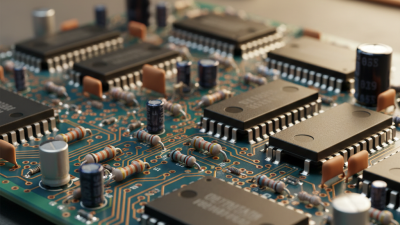
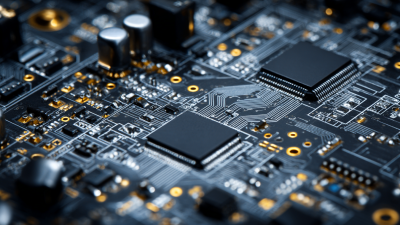
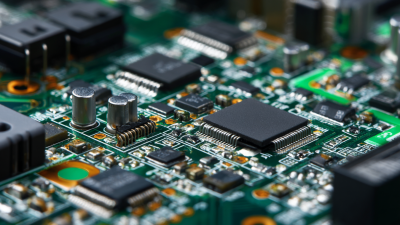
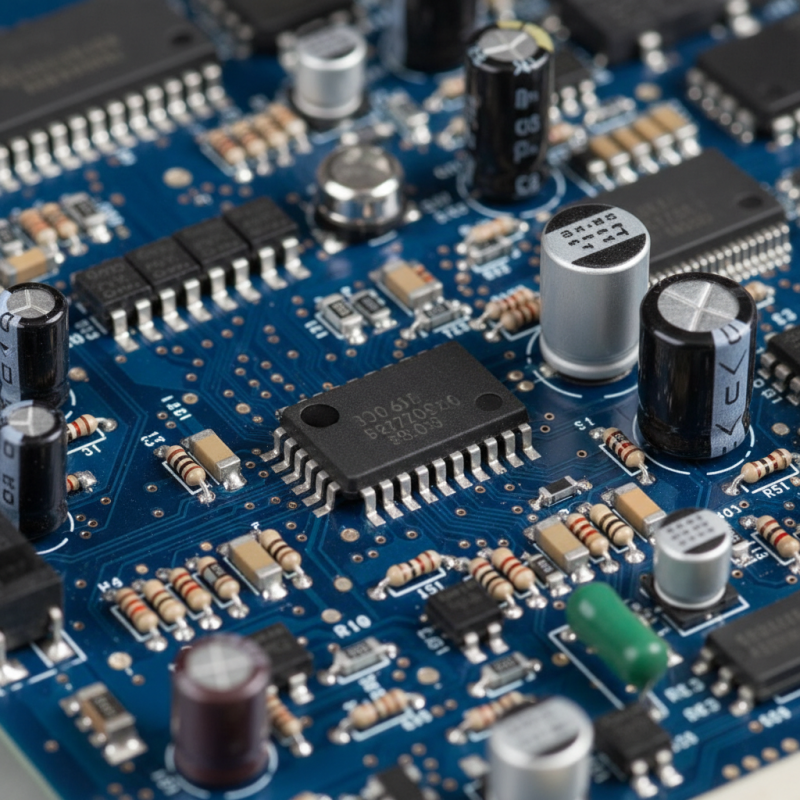
Understanding the basics of circuit board components is crucial for anyone venturing into electronics. A printed circuit board (PCB) is home to various essential components. Common elements include resistors, capacitors, and integrated circuits (ICs). Each of these plays a specific role in the functionality of a project. For example, resistors limit current flow, while capacitors store and release electrical energy.
Another critical component is the microcontroller, which acts as the brain of the circuit. It interprets signals and controls other components based on programming. Selecting components requires an understanding of their specifications. You'll need to consider voltage ratings, current capacity, and physical size. Sometimes, mistakes happen. Choosing the wrong component can lead to circuit failure or performance issues.
Additionally, learning to read schematic diagrams and datasheets is important. These documents provide details on how components work together. It may feel daunting, but with practice, it becomes manageable. Take time to experiment and build simple circuits. This hands-on experience reinforces knowledge. Don’t rush. Reflect on what works and what doesn't for deeper understanding.
Key Circuit Board Components Distribution
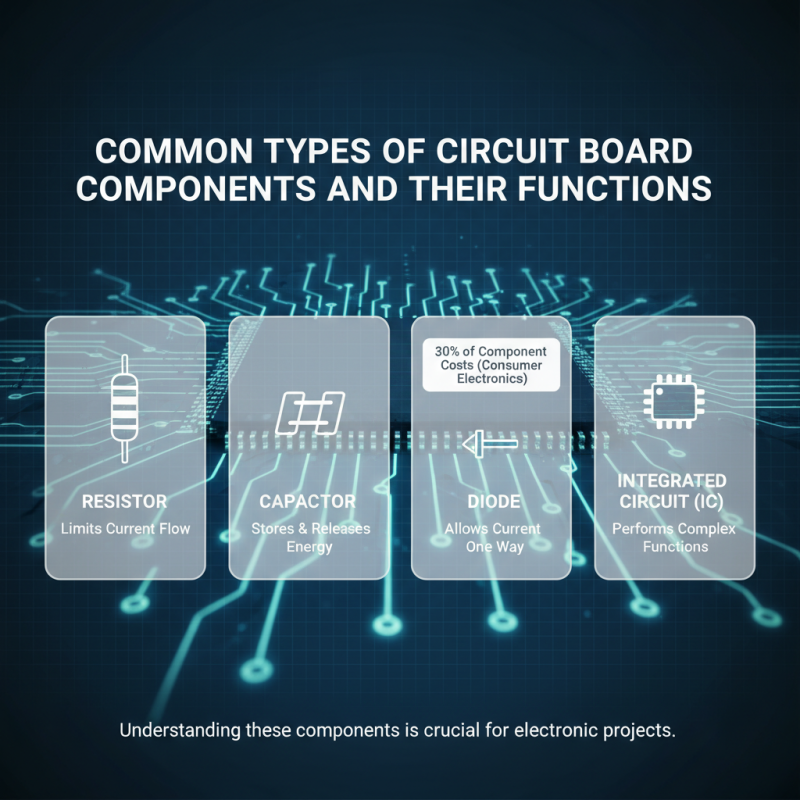
Common Types of Circuit Board Components and Their Functions
When designing electronic projects, understanding circuit board components is crucial. Common components include resistors, capacitors, diodes, and integrated circuits. Each has specific functions that impact overall performance. For instance, resistors limit current flow, while capacitors store and release energy. According to a recent industry report, capacitors alone account for nearly 30% of component costs in consumer electronics.
Choosing the right components affects project success. Ensure resistors are correctly rated to handle voltage requirements. Integrated circuits can significantly reduce space on a board, making them essential for compact designs. However, the complexity of these chips can lead to integration challenges. It's vital to review datasheets and application notes to understand limitations.
Tips: Always double-check component specifications before purchasing. Investing in quality components can save time and costs in the long run. Additionally, keep an eye on trends within the industry. Reports indicate a growing demand for surface mount technology (SMT), which offers enhanced performance but may require different handling techniques.
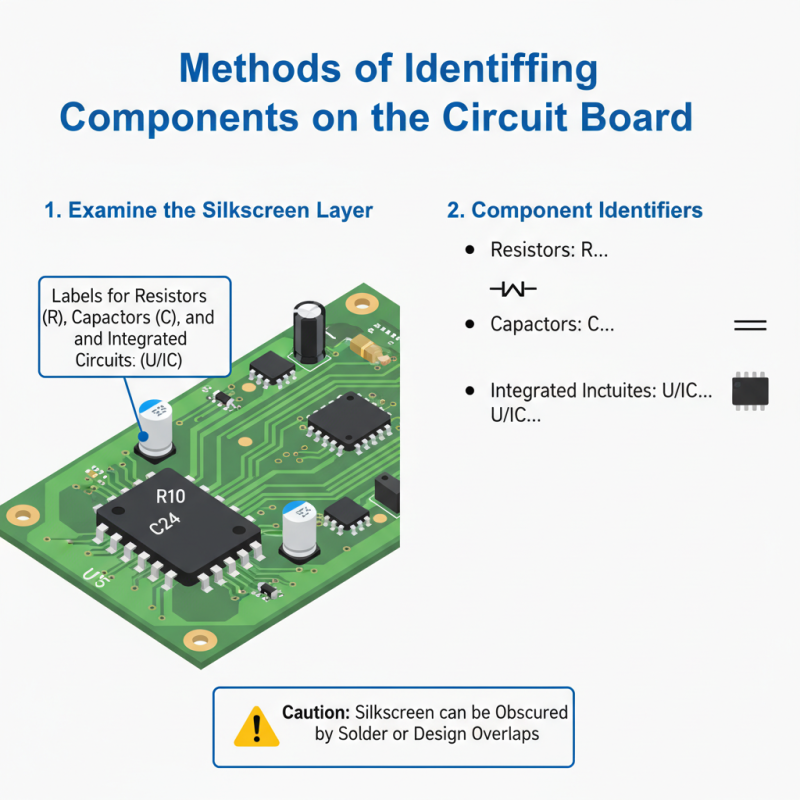
Methods for Identifying Components on a Circuit Board
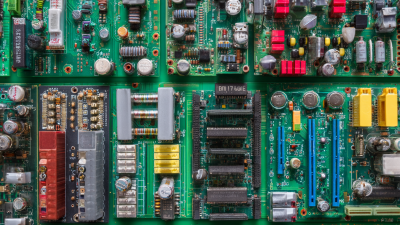
Identifying components on a circuit board is crucial for any electronics project. Start by examining the silkscreen layer. This layer typically displays the labels for components like resistors, capacitors, and integrated circuits. Each component has a unique identifier. You may find "R" for resistors and "C" for capacitors. Yet, this identification can be obscured by solder or design overlaps.
Next, focus on the physical characteristics of each component. Resistors are usually cylindrical or rectangular parts with colored bands. Capacitors may look like small cylinders or larger boxes with markings. Notice the shape and size, as they can guide your identification. Sometimes, the inscription on the components is difficult to read. In such cases, a multimeter can help measure resistance or capacitance, offering clues about the component type.
Trying to identify components can be challenging without practice. You might misidentify a component, leading to confusion. Keeping a reference guide handy can make a big difference. Pay attention to the orientation of polarized components like diodes or electrolytic capacitors. Any mistake here may damage the circuit. Learn through hands-on experience and don't hesitate to seek help from experienced individuals or online forums.
Tools and Techniques for Component Analysis
When working on circuit boards, understanding key components is vital. Tools for component analysis simplify this process. A multimeter, for example, measures voltage, current, and resistance. It's an essential gadget for troubleshooting. Use it to check component integrity. Visual inspections can also reveal a lot. Look for burnt or broken parts. A microscope can help you see tiny details on the board.
Software tools are becoming increasingly useful as well. They provide schematic representations of circuits. By analyzing the design, you can pinpoint component functions. However, relying solely on software can be misleading. Real-world factors can affect performance and can often lead to unexpected results.
Knowledge of basic electronics is crucial. Familiarity with passive and active components aids in quick identification. Reading component markings often demands patience and practice. Sometimes, labels are worn out or illegible. In such cases, using reference guides becomes indispensable. Keep learning from each project. Understanding your tools enhances your skill set and leads to better project outcomes.
Best Practices for Documenting Component Identification
Documenting component identification on circuit boards is essential for effective project management. Clear identification of resistors, capacitors, and ICs ensures smoother troubleshooting and maintenance. In fact, a study by IPC found that poor documentation leads to a 30% increase in project delays. This highlights the need for meticulous records.
Effective documentation practices include creating a component placement table. This table should list every part along with its specifications and location on the board. Visual aids, like annotated diagrams, can enhance understanding. 67% of engineers report that such visuals reduce errors during assembly. Alongside this, maintaining a revision history is crucial. It helps track changes and fosters collaboration.
Daily challenges may arise in documentation. For instance, components can be misplaced or mislabeled. Regular audits help mitigate these issues. Building a culture of thorough documentation can significantly reduce rework and cost overruns. It’s not about perfection but continuous improvement in the identification process.
How to Identify Key Circuit Board Components for Your Projects? - Best Practices for Documenting Component Identification
| Component Name |
Component Type |
Value/Specification |
Package Type |
Identification Methods |
| Resistor |
Passive Component |
10k Ω |
0805 |
Color Code, Multimeter |
| Capacitor |
Passive Component |
100 µF |
0603 |
Capacitance Meter, Labels |
| Inductor |
Passive Component |
47 µH |
0805 |
Inductance Meter, Visual Inspection |
| Microcontroller |
Active Component |
AVR Series |
TQFP |
Part Number, Datasheet |
| Diode |
Active Component |
1N4148 |
DO-35 |
Part Number, Multimeter |