How to Identify Different Circuit Board Parts for Your Projects?
Understanding circuit board parts is vital for any electronics project. Each component plays a crucial role. These parts include resistors, capacitors, and transistors. Knowing their functions can lead to successful builds.
Identifying circuit board parts may seem daunting at first. The variety of shapes and sizes can confuse beginners. Familiarizing yourself with the parts helps demystify the process. Visual aids or charts can be useful. However, not all diagrams are accurate. A careful evaluation is necessary.
When working on projects, mistakes will happen. Learning from errors is part of growth. It is essential to recognize each part's unique role. This practice will enhance your skills over time. Embrace the challenges, and don’t hesitate to ask for help. Understanding circuit board parts opens new possibilities in electronics.
Understanding the Basic Components of a Circuit Board
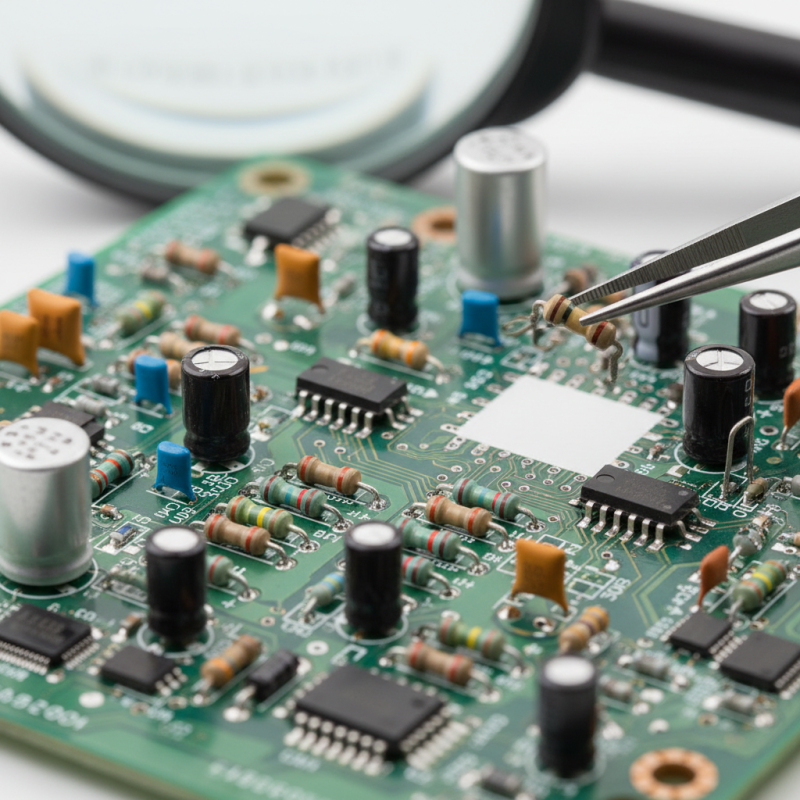
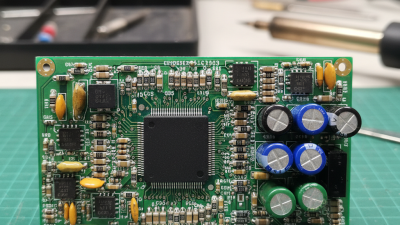
Understanding the basic components of a circuit board is essential for any DIY project. Circuit boards are made up of various parts, each serving a unique function. Resistors, for example, limit the flow of electricity. They can come in different sizes and colors, which may not always be easy to identify. Capacitors store electrical energy. They vary in shape and capacity, making differentiation challenging for newcomers.
Diodes and transistors also play crucial roles. Diodes allow current to flow in one direction, while transistors act as switches. Both components are vital to control electrical signals. Identifying these parts can be tricky. Their sizes and markings can often be confusing. Schematic diagrams can help, but they are not always clear. Take time to familiarize yourself with these symbols.
Integrated circuits are another important area. They contain multiple components within a single package. Learning to read their labels is not straightforward. It might take practice to distinguish between them. By observing and experimenting, true understanding develops. Each component has its quirks and can sometimes lead to mistakes. Embrace these moments as part of the learning journey.
Identifying Resistors: Colors and Values Explained
When working on circuit board projects, understanding resistors is crucial. Resistors control the flow of electric current. They come in various sizes, shapes, and colors. The color coding on resistors includes bands that indicate their resistance values. Most commonly, you will see four to five color bands.
Each color corresponds to a number. For example, red is 2, while yellow is 4. A 10kΩ resistor might have a red, brown, orange, and gold band. Color codes follow a standardized system recognized across the industry. According to a report by the Institute of Electrical and Electronics Engineers (IEEE), nearly 70% of beginner mistakes involve misreading resistor values.
Tip: Always double-check your resistor values with a multimeter. This prevents potential errors in your projects. Another important note: not all resistors are linear. Some vary based on temperature. Use caution when working with sensitive components.
Identifying resistors can be tricky. Some resistors may fade over time, leading to mistakes. Additionally, be aware that the physical appearance of resistors may not match their marked values. Verify your assumptions to avoid frustrating setbacks during circuit assembly.
Recognizing Capacitors: Types and Functions in Circuits
Understanding capacitors is essential for anyone working with circuit boards. They come in various shapes and sizes. The most common types include ceramic, electrolytic, and tantalum capacitors. Each type serves a specific function in a circuit. Ceramic capacitors are small and ideal for high-frequency applications. Electrolytic capacitors, on the other hand, are larger and often used for power supply filtering.
Recognizing these components can sometimes be challenging. Capacitors are typically marked with their capacitance values. Look for their voltage ratings as well. If the markings are unclear, research may be necessary. Sometimes, you might find a capacitor that seems out of place. In such cases, understanding its role is crucial. Capacitors store and release energy, stabilizing voltage and power flow. They can affect the performance of your project significantly.
It’s easy to overlook the importance of capacitors when building circuits. Building mistakes happen. Misunderstanding the role of a particular capacitor can lead to circuit failure. A project might not work simply because a capacitor is misidentified. This highlights the importance of careful examination and study. As you gain experience, recognizing these components becomes easier and more intuitive.
Exploring Integrated Circuits: Features and Identification
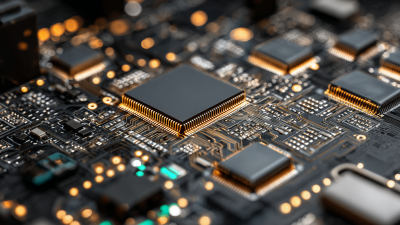
Identifying different types of integrated circuits (ICs) can be crucial for your projects. ICs come in various shapes and functions, making them versatile components in electronics. Typically, an IC will be encased in a plastic or metal package. This package can vary in size, depending on its purpose. Look closely at the markings on the package. They often indicate the model number and manufacturer, but sometimes they can be incomplete or smudged.
When handling ICs, remember to check the pin configurations. Pins determine the IC's function. A single mistake can cause your circuit to malfunction. Validate the pin layout by referencing datasheets available online. These documents offer details about each IC's specifications and applications. Mismatched pins lead to errors that are hard to diagnose.
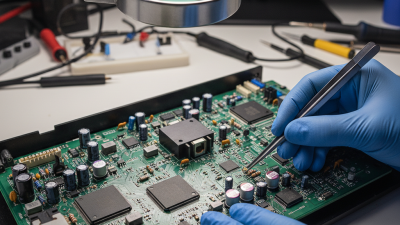
Tips for identifying ICs: Always use a magnifying glass to read small labels. Sweat or oil from your fingers can obscure markings, making it difficult to identify them. Keep a notebook where you jot down findings for future reference. Sometimes, trial and error is part of learning. Not every identification will go smoothly. You may later realize that an IC you guessed as a voltage regulator is actually a different type. Reflect on these experiences. They enhance your comprehension of components over time.
Locating Connectors and Other Peripheral Components on Boards
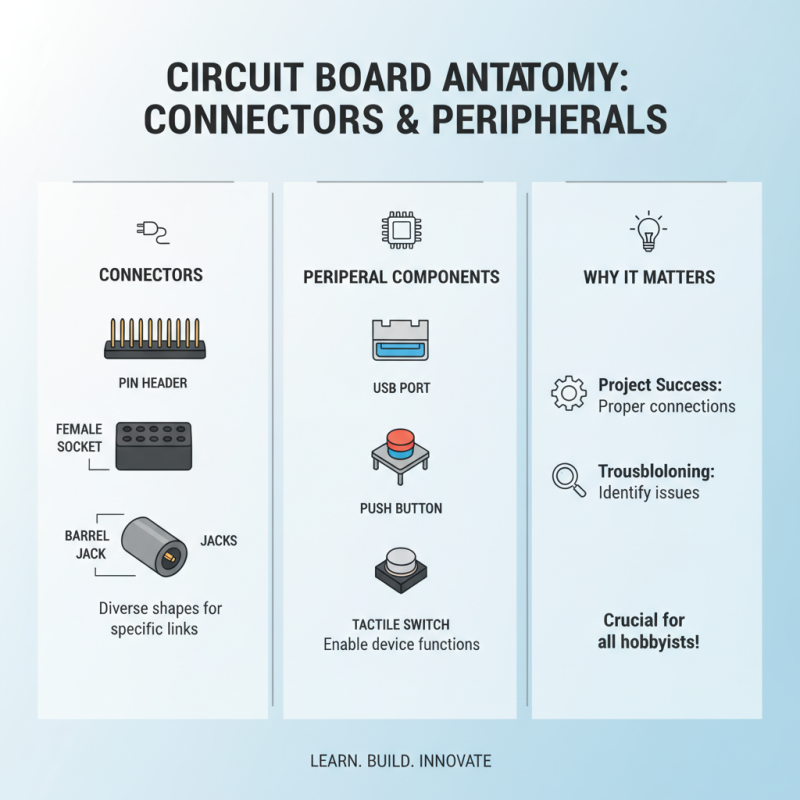
Identifying connectors and peripheral components on circuit boards can be challenging. Many hobbyists struggle, yet understanding these elements is crucial for successful projects. Connectors come in various shapes and sizes, often designed for specific applications. For example, headers, sockets, and jacks each serve different functions in a circuit.
Research indicates that nearly 30% of errors in circuit board projects stem from misidentifying components. A report from an industry analysis firm highlights that such mistakes can lead to significant delays. Solder joints may fail simply because a component is mismatched. Small connectors can be particularly tricky. They may appear similar, but their specifications can be vastly different.
Peripheral components like resistors and capacitors are often overlooked during initial assessments. Many users do not realize that even slight variations can greatly affect performance. A misjudged value can lead to heat issues or circuit failure. It’s essential to develop a keen eye for detail and consult component datasheets when in doubt. This attention to specificity can aid in preventing repeated errors in future projects.