Why Are Circuit Board Parts Essential for Electronics?
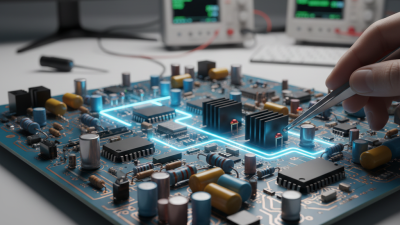
The importance of Circuit Board Parts in modern electronics cannot be overstated. These essential components serve as the backbone of every electronic device we use today. According to a report by Research and Markets, the global printed circuit board (PCB) market is projected to reach $100 billion by 2025. This highlights the significance of robust circuit board design.
Every electronic device, from smartphones to medical equipment, relies on intricate circuit board parts. These components facilitate communication, power distribution, and signal processing. Without them, modern innovations would simply not exist.
However, not everyone recognizes the complexity and potential issues associated with circuit board parts. The rapid advancement of technology often leads to discrepancies in quality. There are cases where manufacturers overly focus on reducing costs rather than ensuring reliability. This compromises performance and longevity. Reflecting on these aspects is crucial for future advancements in electronics.
The Role of Circuit Boards in Electronic Devices
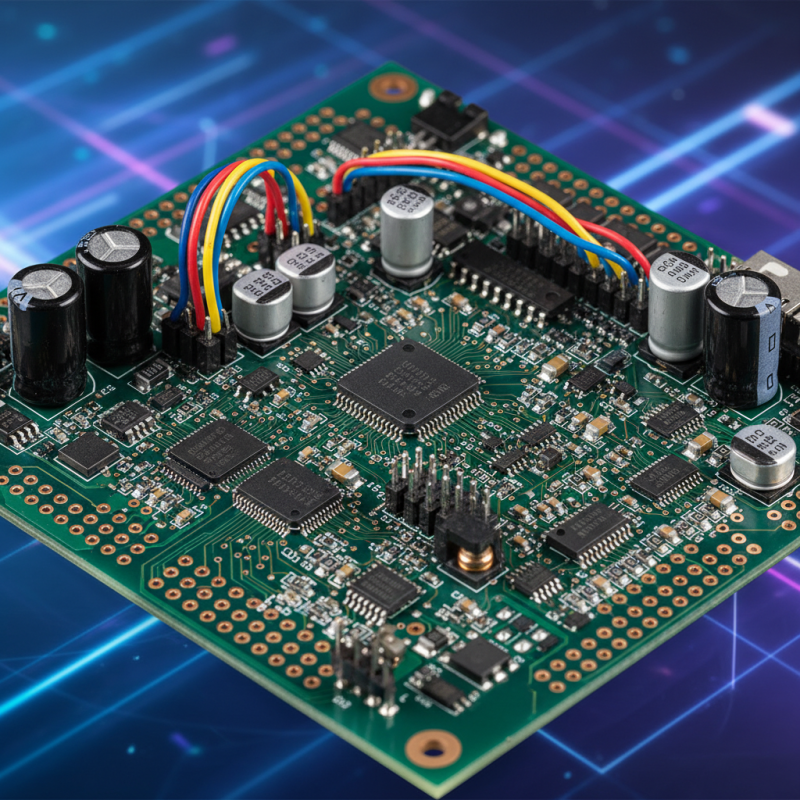
Circuit boards serve as the backbone of modern electronic devices. They connect different components, allowing them to communicate effectively. Without circuit boards, devices like smartphones and computers would not function. The intricate pathways etched onto the board enable power distribution and signal transmission. This is where the magic happens.
However, not all circuit boards are created equal. Some may suffer from poor design choices or manufacturing flaws. These issues can lead to malfunctioning devices. It's crucial to ensure quality in both materials and assembly. Every solder joint matters, and even a tiny error can result in a device that doesn’t work as intended.
Moreover, as technology progresses, circuit board complexity increases. This leads to the challenge of miniaturization. Designers must balance size and performance carefully. Sometimes, compromises are made that might not serve the end user well. Reflecting on these decisions is vital for future advancements. A well-thought-out circuit board design can profoundly impact device reliability and user experience.
Key Components of Circuit Boards and Their Functions
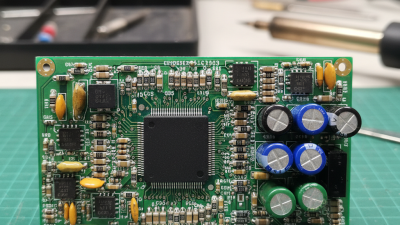
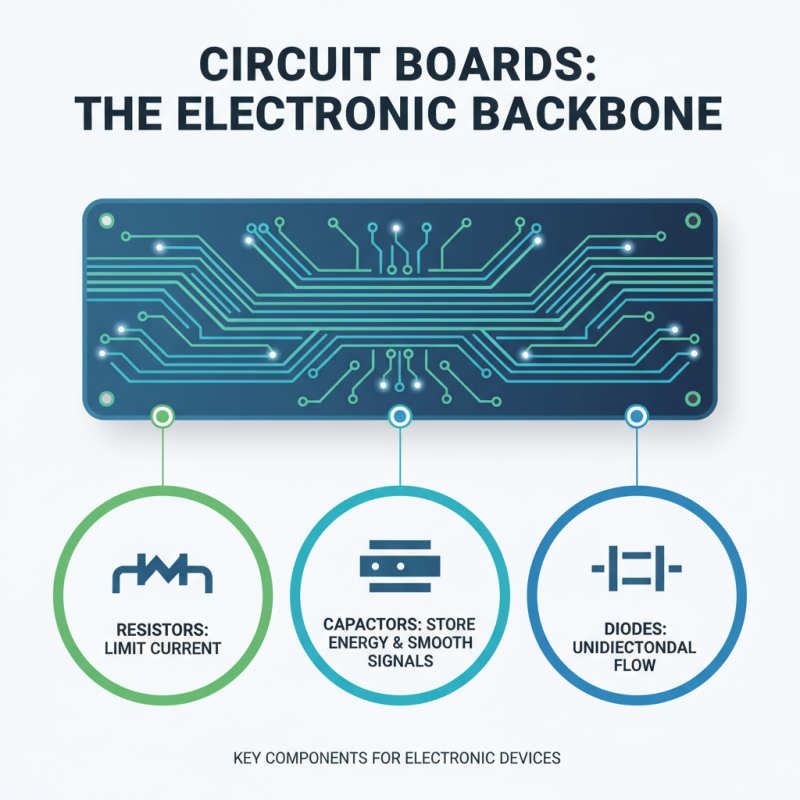
Circuit boards are the backbone of electronic devices. They hold essential components that facilitate functionality. Resistors, capacitors, and diodes work together to control current and voltage. Each component has a unique role. Resistors limit current flow, preventing damage. Capacitors store energy and smooth out electrical signals. Diodes ensure current flows in one direction, protecting the circuit.
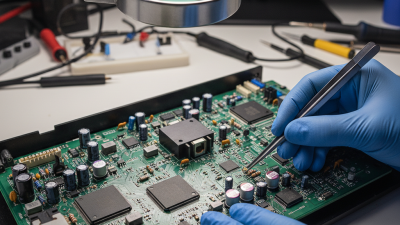
Understanding these parts helps in troubleshooting. If a device fails, one component might be to blame. A burnt resistor or a leaky capacitor can cause issues. Sometimes, visual inspection reveals problems. A cracked solder joint or burnt chip can be spotted. Repairing these issues often involves replacing the faulty component.
The challenge is that not all problems are obvious. Subtle issues can linger undetected. Testing equipment might be needed. Learning about these components improves one’s skills. However, mastering circuit boards is not without hurdles. Each component interacts with others, creating complex behaviors. Designing an effective circuit requires patience and diligence.
Importance of Circuit Board Parts for Signal Integrity
Circuit board parts play a critical role in maintaining signal integrity within electronics. They ensure that signals transfer cleanly and efficiently, minimizing distortion. According to a report by the International Electrotechnical Commission, over 30% of electronic failures stem from poor signal integrity. This highlights the importance of selecting quality components.
Choosing the right materials for circuit board construction is crucial. For instance, high-frequency applications require materials like Rogers or FR-4 to minimize signal loss. A study published in the IEEE Transactions shows that boards made from superior materials had a 50% reduction in signal degradation over traditional materials. However, achieving this can be challenging. Cost constraints often lead to compromises in material quality.
Design plays a vital role, too. Improper layout can lead to unwanted electromagnetic interference. One misstep could create significant performance issues. Engineers must prioritize proper spacing and shielding around sensitive components. It’s a balancing act; cutting corners in design can lead to long-term failures. Throughout the development process, assessing trade-offs is essential for optimal signal integrity.
How Circuit Board Parts Facilitate Power Management
Circuit board parts play a vital role in managing power across electronic devices. These components, like capacitors, resistors, and inductors, help regulate voltage levels. They ensure that the right amount of power flows to each part of the device. A failure in any of these elements can lead to system instability. Power management is complex, and even small issues can cause significant problems.
When circuit boards go wrong, the results can be dire. Overheating, for instance, can damage sensitive components. Capacitors are particularly crucial for filtering out noise and stabilizing voltage. Without them, fluctuations can lead to erratic behavior in devices. Inductors add to this by managing energy flow and maintaining a consistent current. The delicate balance of these parts is essential for smooth operation.
However, not all circuit board designs optimize power management effectively. Some might overlook the quality or placement of components, leading to inefficiencies. Inadequate testing during the design phase can miss potential failure points. This can result in wasted energy or shortened device lifespan. Reflecting on these aspects is essential for improving electronic design and functionality.
Importance of Circuit Board Parts in Power Management
Trends in Circuit Board Technology and Future Innovations
Circuit board technology is evolving rapidly. Today, miniaturization and high-density packaging are at the forefront. This trend allows devices to be smaller yet more powerful, creating unique challenges. For example, managing heat in compact spaces is crucial. Engineers must find innovative cooling solutions.
Another emerging trend is the integration of advanced materials. Flexible and biodegradable materials are gaining traction. They promise reduced environmental impact. However, they also require rethinking manufacturing processes. Striking a balance between performance and sustainability is not easy.
The future holds many possibilities. Innovations like AI-driven circuit design could transform how we build electronics. At the same time, cybersecurity in circuit boards is becoming critical. Designing secure circuits to prevent tampering is a growing concern. These challenges demand fresh thinking and adaptability in a fast-changing field.