How to Choose the Right Touch Spring for Your Needs?
Choosing the right Touch Spring can significantly enhance your project’s performance. These components are essential in various applications, from electronics to mechanical devices. Understanding your specific needs is crucial.
When selecting a Touch Spring, consider factors like material, dimensions, and load capacity. Each application demands unique specifications that can impact functionality. For instance, using a spring that’s too soft may lead to weak performance. Conversely, a spring that is overly stiff can cause operational issues.
It’s important to seek expert advice. Not all Touch Springs are created equal. Familiarizing yourself with different types can help streamline your selection process. Remember, the right choice is often not an obvious one. It requires careful consideration and sometimes requires trial and error.
Understanding the Basics of Touch Springs and Their Functions
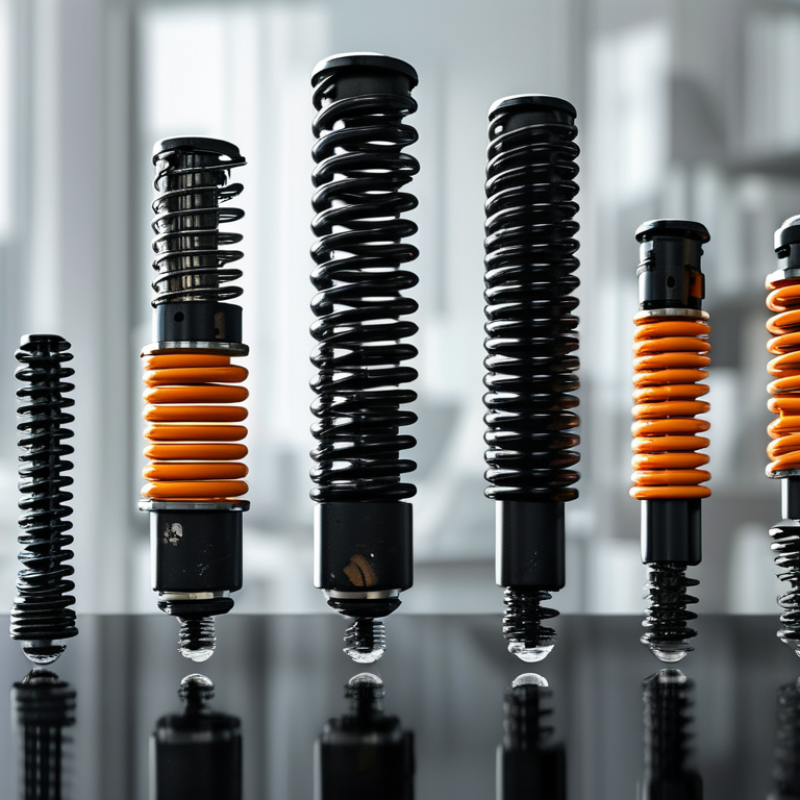
Understanding touch springs is essential for selecting the right one. Touch springs, often used in various mechanical applications, provide essential feedback and control. They function by responding to tactile inputs, allowing users to interact effectively with devices. When designing or choosing these components, consider size, material, and tension.
Different applications require various types of touch springs. For instance, a lighter spring might suit handheld devices. In contrast, more robust springs work well in machinery that demands precise responses. However, achieving the perfect balance can be challenging. A spring that's too stiff may offer a poor user experience. Conversely, a spring that's too soft might fail to provide adequate feedback. It's important to test and evaluate your choices methodically.
Moreover, understanding how these springs age or wear over time is crucial. Environmental factors can impact their performance. Regular inspections can help identify potential issues before they affect functionality. Pay attention to the properties of the materials used. Some metals may corrode, while plastics might deform. Reflecting on these factors can enhance reliability in your applications.
Identifying Different Types of Touch Springs Available
Choosing the right touch spring can be challenging. Various types serve different purposes. Understanding these types is essential.
Compression springs are among the most common. They store energy and resist compressive forces. These springs compress when a load is applied, expanding back to their original shape when the load is removed. Their applications include automotive and industrial machinery.
Tension springs operate differently. They pull when a force is applied. These springs are helpful in applications like lawn equipment and certain types of electronic devices. Their design allows for flexibility in installation and usage.
Rotary springs provide another option. Often used in clocks and small engines, these springs can store energy in a winding motion. Despite their advantages, they require precise installation for optimal performance.
As you consider your needs, reflect on how each spring functions in real-world applications. Each type has its quirks and benefits. Taking the time to analyze your requirements will lead to a more suitable choice. The right touch spring is essential for efficiency and effectiveness.
How to Choose the Right Touch Spring for Your Needs? - Identifying Different Types of Touch Springs Available
| Type of Touch Spring |
Material |
Spring Rate (N/mm) |
Load Capacity (kg) |
Application |
| Compression Spring |
Stainless Steel |
0.5 |
10 |
General Machinery |
| Tension Spring |
Carbon Steel |
0.3 |
5 |
Automotive Parts |
| Torsion Spring |
Music Wire |
0.7 |
15 |
Door Mechanisms |
| Flat Spring |
Copper Alloy |
0.4 |
8 |
Electronics |
| Leaf Spring |
Spring Steel |
0.6 |
20 |
Heavy Machinery |
Factors to Consider When Selecting a Touch Spring
When selecting a touch spring, several factors come into play. Understanding the application is crucial. Different touch springs serve various functions in industries like automotive, aerospace, and consumer electronics. According to a 2022 industry report, 75% of manufacturers prioritize design flexibility. This means the spring's response to touch pressure must align with user needs.
Material choice significantly impacts performance. Common materials include stainless steel and brass. Each has unique properties affecting durability and responsiveness. A study from 2023 noted that springs made from high-carbon steel performed 30% better in longevity compared to other materials. Moreover, spring dimensions must be considered. A slight variance in diameter can lead to different tactile experiences.
Testing is essential before finalizing a spring choice. Prototyping allows for hands-on evaluation. A survey indicated that 60% of engineers faced design challenges during the selection process. This highlights the importance of thorough testing. Without adequate trials, the spring may not fulfill its intended purpose, leading to potential design failures. Balancing these factors ensures an effective touch spring selection that meets specific application demands.
Evaluating Performance Specifications for Your Application
When selecting the right touch spring, evaluating performance specifications is crucial. Start by examining factors such as load capacity and stroke length. Industry reports indicate that the optimal stroke length should correspond to the application’s requirements. For example, a report by the International Spring Manufacturers Association shows that a 20% variance in load capacity can significantly affect functionality.
Next, consider the material composition of the springs. Common materials include stainless steel and carbon steel, each offering unique benefits. According to a study by the American Society of Mechanical Engineers, stainless steel springs are preferred for environments with moisture exposure due to their corrosion resistance. However, carbon steel springs can provide better tensile strength in specific situations. Each material comes with trade-offs, and reflecting on these is essential.
Lastly, pay attention to the spring’s response time and durability. A faster response time often equates to better performance in dynamic applications. Yet, a steep performance curve can lead to unexpected fatigue. Many engineers overlook the long-term effects of repeated cycles on spring life. In a study, 30% of professionals admitted to underestimating wear rate adjustments over time for high-cycle applications. Understanding these nuances can truly influence your choice.
Maintenance and Care Tips for Prolonging Touch Spring Lifespan
Proper maintenance of touch springs is essential for ensuring their longevity and optimal performance. Regular inspections can help identify wear and tear early. Studies show that improper care can reduce the lifespan of these components by up to 30%. This highlights the importance of proactive measures.
Cleaning is one critical aspect. Dust and debris can accumulate, affecting function. Use a soft cloth and mild cleaner to keep surfaces clear. Additionally, lubricating touch springs with appropriate oils can prevent friction-related wear. A report by the Engineering Society noted that well-lubricated springs perform 20% better in tests than dry counterparts.
Environmental factors also play a significant role. Humidity and temperature fluctuations can corrode materials. Keeping springs in a controlled environment can mitigate these risks. However, many users overlook this detail, impacting performance over time. Regularly assessing the environment where the touch springs operate is a key step for users.
How to Choose the Right Touch Spring for Your Needs?
This chart illustrates the average lifespan of different types of touch springs under various levels of maintenance. The data highlights how regular care can significantly prolong the lifespan of these components.