How to Choose the Right Plastic Carrier Tape for Your Needs?
Choosing the right Plastic Carrier Tape is crucial for efficient manufacturing. In the electronic packaging industry, precise specifications matter. According to a recent market report by Smith & Associates, the demand for high-quality Plastic Carrier Tape has increased by 25% over the last year. This growth highlights the importance of selecting the appropriate materials for your specific needs.
Industry expert Dr. Emily Chen emphasizes, “The right Plastic Carrier Tape can significantly improve the reliability of component handling.” Your choice of tape impacts production efficiency. Factors such as tape width, thickness, and adhesive properties need careful consideration. Many manufacturers overlook these details, which can lead to operational challenges.
Quality varies widely across suppliers. Some tapes might not perform well under stress, affecting the final product. Assessing performance metrics is essential. Investing time in research can yield significant long-term benefits. The decision-making process may feel overwhelming, but the implications of a poor choice can be costly.

Understanding the Basics of Plastic Carrier Tapes
Plastic carrier tapes are essential for the efficient transportation and protection of electronic components. They ensure that parts remain secure and unscathed from the manufacturing stage to packaging. Understanding the basics is crucial, particularly for manufacturers and engineers. Current industry reports indicate that the global plastic carrier tape market is projected to reach $350 million by 2025. This reflects the increasing reliance on this packaging method in various sectors.
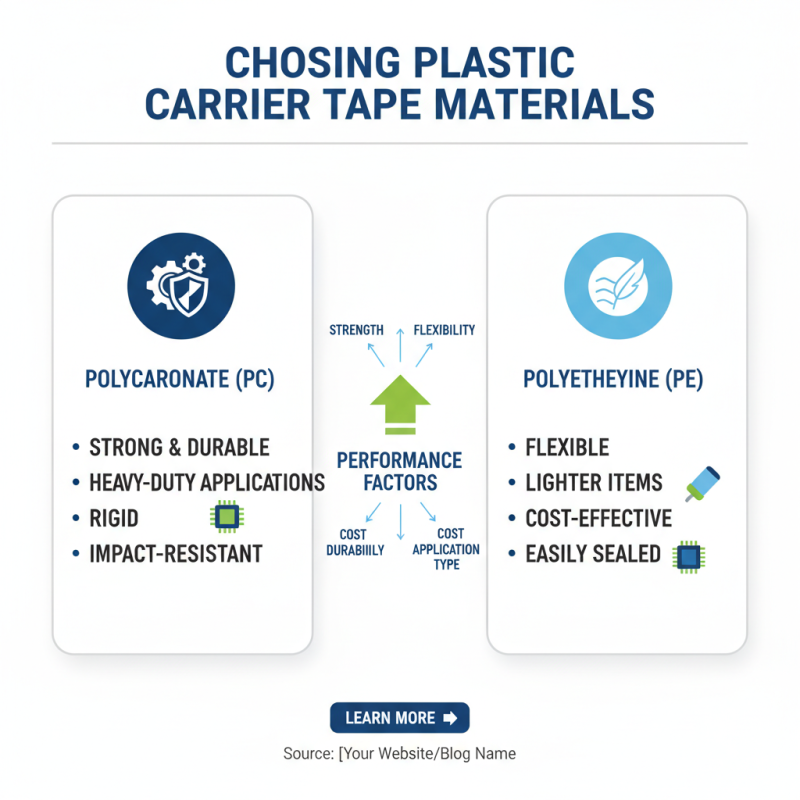
When selecting a carrier tape, consider its thickness, material composition, and adhesive properties. Various materials, like PET and PVC, provide differing levels of durability and flexibility. A study highlighted that 70% of manufacturing defects arise from improper handling. Therefore, choosing the right tape can enhance product integrity and reduce losses.
However, not all tapes are created equal. Some may not meet specific environmental standards, leading to unforeseen complications. It's important to evaluate how these materials can impact both the environment and operational efficiency. Balancing cost with quality is a challenge. Manufacturers often sacrifice one for the other. The goal should be to find a suitable compromise while ensuring product safety and compliance.
Identifying Your Specific Packaging Requirements
Identifying your specific packaging requirements is crucial when selecting the right plastic carrier tape. Think about the type of products you need to package. Are they heavy or lightweight? Will they need extra protection? These factors will significantly influence your choice of tape. Consider the environment as well. Will the tape need to withstand extreme temperatures or humidity?
Tips: Check the tensile strength of the tape. A stronger tape will better secure your packages during transit. Don't forget about the adhesive type—some products require a permanent bond, while others might need removable options.
Also, think about the dimensions of the tape. Width and thickness matter. A narrower tape might not hold larger items securely, while a thicker tape could be overkill for lighter products. Reflect on how much tape you will need. Buying in bulk can save money but may lead to waste if you miscalculate.
Tips: Always test a sample roll before full orders. This allows you to assess the tape's performance in real-world situations. Consider your operations and how easy it is to apply the tape efficiently. The right choice will save frustration down the line.
Assessing Adhesive Properties and Specifications
When choosing the right plastic carrier tape, adhesive properties are critical. Different applications require different types of adhesives. For example, a study by the Adhesive and Sealant Council revealed that pressure-sensitive adhesives account for about 65% of the tape market. They provide immediate adhesion, which is crucial for many packaging solutions.
Understanding adhesive strength is vital. The peel strength indicates how well the tape sticks to a surface. Reports suggest that a peel strength of around 20 to 30 ounces per inch is ideal for heavy-duty applications. However, not all projects require such robust adhesion. Some delicate materials might only need lower peel strength to prevent damage.
Another factor to consider is chemical resistance. Tapes that resist moisture, oil, and certain solvents are useful in industrial settings. An improper selection could lead to tape failure, resulting in costly mistakes during production. Testing is often necessary to ensure compatibility with the intended surface. This aspect reveals that not every tape will perform as expected, and real-world application is where many overlook important details.
Plastic Carrier Tape Adhesive Properties Comparison
Comparing Cost and Supplier Options for Carrier Tapes
When comparing supplier options for plastic carrier tapes, it's essential to evaluate different factors. Not all suppliers offer the same types of tapes. Examine their product range, material quality, and customization options. A wider selection enables you to find the best fit for your needs. Also, consider lead times. Some suppliers may have faster shipping but at a higher price.
Cost is another critical aspect. Prices can vary significantly across suppliers. Always request quotes that include shipping and potential bulk discounts. This allows for better budgeting and cost analysis. Be cautious of the lowest price. Sometimes, this reflects inferior quality or hidden fees. Also, reviews and testimonials can offer insights into costly mistakes made by others.
Communication is vital when selecting suppliers. Prompt responses and clear information can save time. If a supplier is unresponsive, it may indicate future issues. Try to gather information from multiple sources. This helps in forming a balanced view. Remember, it's not just about finding the cheapest option, but also ensuring reliability and quality.