2026 How to Choose the Right Plastic Carrier Tape for Your Projects?
Choosing the right Plastic Carrier Tape is crucial for your projects. The selection process involves various factors, including application, material, and compatibility. Understanding the specific needs of your project is essential before making a decision.
Many manufacturers offer an array of Plastic Carrier Tapes, each suited for different tasks. Identifying the right type can be challenging. Quality matters significantly, as inferior products may lead to defects and wasted resources. For example, improper adhesion can result in malfunctioning assemblies.
Reflecting on past experiences can guide your choices. Have you faced issues with the tapes you previously used? Was the compatibility with components a concern? These reflections can steer you towards better options. Ultimately, selecting the right Plastic Carrier Tape is a blend of research and practical insight.
Understanding the Types of Plastic Carrier Tapes Available in the Market
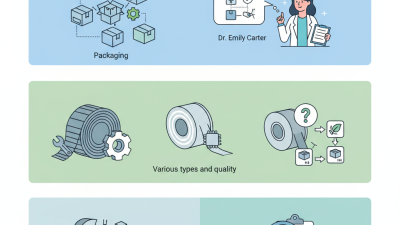
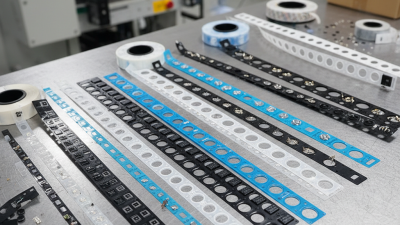
When selecting a plastic carrier tape, it's essential to understand the options available. There are different types on the market, each designed for specific applications. These include standard tapes, embossed tapes, and high-temp tapes. Each type has unique properties. For example, embossed tapes provide better grip and are often used in demanding environments.
Tips: Always consider the thickness of the tape. A thicker tape may provide more durability. However, it could also lead to challenges in certain machinery. Weigh these factors carefully. Also, check the temperature resistance for your project. If you require high-temperature capabilities, choose tapes specifically rated for those conditions.
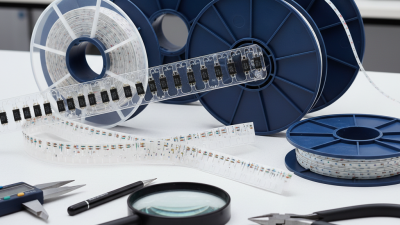
While assessing your needs, remember to evaluate the dimensions as well. Width and pitch are critical factors. The wrong dimensions can cause misalignment in automated processes. It’s worth noting that sometimes what seems like a minor detail can lead to significant issues in production. Test different options to find the best fit for your project requirements.
Key Specifications to Consider When Selecting Plastic Carrier Tape
When selecting plastic carrier tape for your projects, understanding key specifications is crucial. One primary factor is the width of the tape. This can range from 8mm to 72mm. Choosing the right width affects how well the tape adheres to components.
Another important specification is the thickness. Typically, thickness varies from 0.05mm to 0.15mm. A thicker tape tends to provide more stability for heavier components. However, it can be less flexible, which may not suit all applications. Data suggests that flexibility is vital for automated assembly lines, as it allows for easier handling of various shapes.
Adhesive strength is equally significant. Common values are 100g/cm to 300g/cm. The right balance is needed. Too strong can lead to difficulty when removing components. Too weak may cause parts to become misaligned during transport. An analysis by industry experts indicates that improper tape selection can lead to 30% more defects in products. This highlights the need for careful consideration in your choice of plastic carrier tape.
The Role of Adhesive Properties in Plastic Carrier Tape Performance
Choosing the right plastic carrier tape involves understanding adhesive properties. These properties significantly affect performance. A report from the Adhesive Tape Manufacturers Association indicates that over 60% of tape failures are due to inadequate adhesive selection. Poor adhesion can lead to product malfunctions or defects.
Adhesive types vary widely. Some are designed for high-temperature environments. Others work best in cold conditions. A study showed that tapes with acrylic adhesives generally perform better under UV exposure. Yet, they may not adhere well to all surfaces. Users must assess their specific requirements to avoid inefficiencies.
Additionally, adhesive thickness plays a crucial role. Thicker adhesives often provide stronger bonds but may reduce flexibility. Users need to consider the trade-off between adhering power and the potential for damage during application or removal. Understanding these details can lead to better project outcomes. Many overlook this critical aspect and face issues later on.
Impact of Material Thickness on Carrier Tape Durability and Usability
When choosing plastic carrier tape for projects, material thickness plays a crucial role. Thicker tapes tend to offer better durability. They withstand various environmental factors like temperature changes and humidity. However, thicker materials might be more rigid. This rigidity can make them less adaptable for certain applications.
On the other hand, thinner carrier tapes provide flexibility. They are lighter and can conform easily to diverse surfaces. Yet, they may have limitations in durability. Frequent handling or exposure to harsh conditions may lead to quicker wear and tear. Evaluating the specific needs of your project is essential. A balance between thickness and flexibility is often necessary, but that balance isn’t always straightforward.
Assessing your project’s requirements can lead to challenges. Sometimes, the optimal thickness isn’t immediately clear. A trial-and-error approach may reveal what works best. Pay attention to how these materials behave in real-world applications. Unforeseen issues may arise, causing a reevaluation of your tape choice.
2026 How to Choose the Right Plastic Carrier Tape for Your Projects?
| Material Type |
Material Thickness (mm) |
Durability Rating (1-10) |
Usability Rating (1-10) |
Recommended Applications |
| Polypropylene (PP) |
0.5 |
7 |
8 |
Lightweight components, electronics |
| Polyvinyl Chloride (PVC) |
0.7 |
8 |
7 |
General packaging, light-duty applications |
| Polyester (PET) |
0.8 |
9 |
9 |
Heavy-duty components, automotive |
| Nylon (PA) |
0.6 |
8 |
8 |
Wear-resistant applications, textiles |
| Polycarbonate (PC) |
1.0 |
10 |
8 |
High-impact durability, machinery |