Top Tips for Choosing Automatic Tape Machines for Your Business?
Choosing the right Automatic Tape Machines for your business can be a daunting task. Many factors come into play, including size, type, and features. It’s essential to find a machine that meets your specific needs while ensuring efficiency and reliability. Mistakes can happen if you rush into a decision without weighing your options.
When evaluating Automatic Tape Machines, consider your production volume. High-output operations require robust machines with advanced features. Yet, simple tasks might not need complex solutions. This brings the potential for overspending. Additionally, think about compatibility with existing systems. Will the new machine integrate smoothly?
It’s crucial to consult with experts or trusted suppliers. Their insights can guide you toward a suitable choice. Moreover, testing a machine before purchase can reveal its actual performance. Remember, the perfect machine is not always the most expensive one. Balancing budget and functionality is key in achieving long-term success.
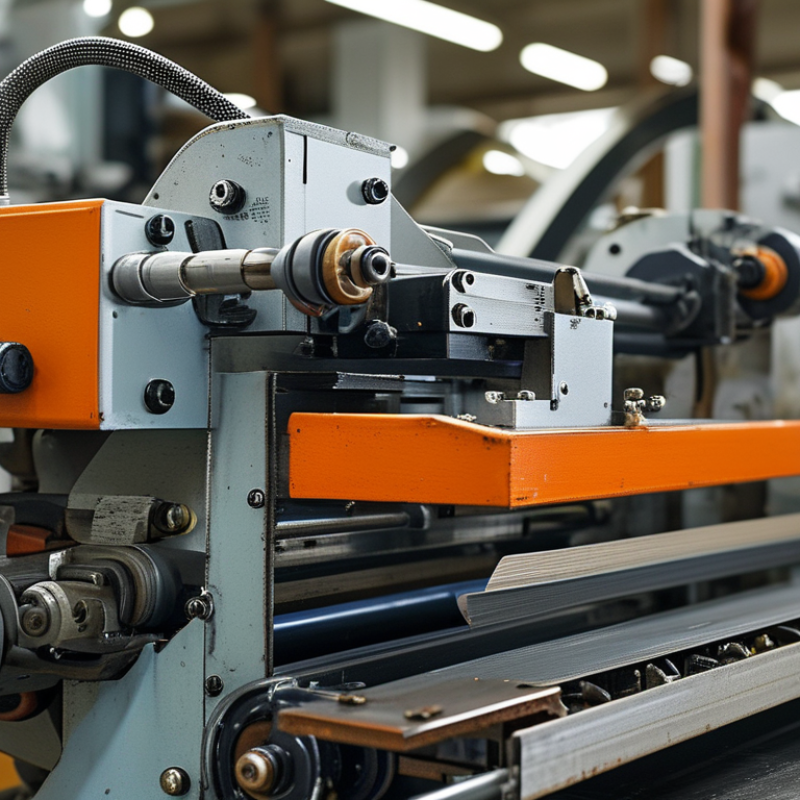
Understanding the Different Types of Automatic Tape Machines
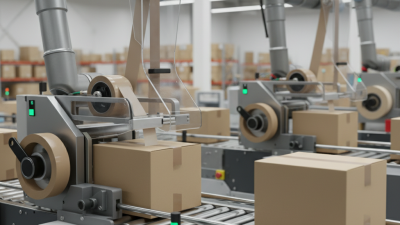
When selecting an automatic tape machine, understanding its types is crucial. Generally, automatic tape machines can be categorized into two main types: semi-automatic and fully automatic. Semi-automatic machines require some manual input, making them versatile for small to medium operations. These machines can handle various tape sizes and thicknesses, catering to diverse packaging needs. Fully automatic machines, on the other hand, operate independently. They are ideal for high-volume environments, providing speed and efficiency.
According to industry reports, the demand for automatic tape machines has surged by 15% over the past two years. Many businesses are investing due to the increased need for efficiency in packaging processes. However, choosing the right machine is not a straightforward task. Factors such as production volume and types of products to be packaged must be considered. Automation level needs careful evaluation too. Many companies face challenges in balancing automation with operational flexibility.
In terms of reliability, it's essential to assess the durability of the machines. Factors like maintenance needs directly impact the overall cost-effectiveness. Some businesses report issues with machine breakdowns. This can lead to production delays. Hence, selecting a machine with a robust service agreement is vital. Always scrutinize user feedback from similar industries to identify potential shortcomings before making a decision.
Comparison of Different Types of Automatic Tape Machines
Evaluating Your Business Needs for Tape Machines
When selecting automatic tape machines, it's essential to evaluate your specific business needs. Understanding your production volume is a crucial first step. Industry reports indicate that 78% of businesses see increased efficiency when choosing machines that match their output levels. If your volume fluctuates, consider machines with adjustable settings. Seek flexibility to adapt to changing demands.
Assess the type of materials you frequently work with. Different tape machines handle materials differently. According to a survey from the Packaging Machinery Manufacturers Institute (PMMI), 63% of respondents faced issues due to incompatible machine specifications. Choosing a machine that accommodates your material types can prevent costly operational delays and improve productivity.
Finally, think about your workforce's skill level. Training can be a significant cost. Studies show that 57% of businesses find employee training to be a barrier to effective machine operation. Investing in user-friendly technology is essential. Identify machines that require minimal training to maximize output while reducing errors. Consider all factors carefully, as they impact your business's efficiency and profitability.
Key Features to Look For in Automatic Tape Machines
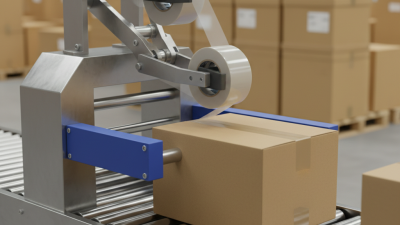
When selecting automatic tape machines, focus on essential features that enhance efficiency and reliability. Automatic tape applicators can boost productivity significantly. According to industry reports, businesses can increase packaging speed by up to 50% with advanced machines. This is crucial in a fast-paced market.
Consider the machine’s speed and adjustment capabilities. The ability to switch between different tape widths is vital for businesses with diverse packaging needs. Ensure the machine offers versatile settings. User-friendly controls can help operators adjust functions quickly. A detailed, clear interface reduces the chances of errors during operation.
Durability is another critical feature. Machines should withstand daily use without frequent breakdowns. Reports show that businesses experience up to 30% less downtime with robust models. Regular maintenance is essential, but a well-built machine should require less. Lastly, examine the warranty and support options provided. A reliable after-sale service is often a testament to the manufacturer's commitment to quality.
Top Tips for Choosing Automatic Tape Machines for Your Business
| Feature |
Description |
Importance Level (1-5) |
| Speed |
The speed at which the machine operates is crucial for efficiency. |
5 |
| Adjustability |
Ability to adjust the tape width and machine settings for different applications. |
4 |
| Ease of Use |
User-friendly interface for quick training and operation. |
4 |
| Durability |
Build quality and lifespan of the machine under regular use. |
5 |
| Maintenance |
Frequency and ease of maintenance required to keep the machine functioning. |
3 |
| Cost |
Initial investment and long-term operational costs. |
4 |
| Support and Warranty |
Availability of technical support and warranty terms. |
5 |
Cost Considerations When Choosing Tape Machines
When selecting automatic tape machines for your business, cost considerations are crucial. These machines vary widely in price. A higher price tag often denotes advanced features and durability. However, this does not always justify the expense. Not every business needs top-of-the-line equipment. Analyzing your actual needs can help you make informed choices.
Operating costs also play a role in your decision. Assess the maintenance requirements. A cheaper machine might incur higher long-term costs if it requires frequent repairs or replacements. Compare the efficiency of the machines as well. More efficient models may save money over time, even if they appear costlier upfront.
Additionally, consider the energy consumption of these machines. Energy-efficient machines lower utility costs, impacting your overall budget. Keep in mind the potential hidden costs. Installation and training costs are often overlooked. Investing time in understanding these factors can lead to better decisions. Balancing initial costs and long-term benefits is key.
Maintenance and Support for Automatic Tape Machines
When selecting automatic tape machines, maintenance and support are crucial. Regular upkeep ensures the longevity of the equipment. According to industry reports, nearly 70% of machine failures are attributed to inadequate maintenance. This statistic highlights the importance of routine checks and professional servicing.
Understanding the support options available is essential. Many providers offer comprehensive service contracts. However, the level of support can vary significantly. A recent survey indicated that 45% of businesses are dissatisfied with their service providers. Lack of timely support can lead to costly downtime. Consider companies that offer 24/7 support. This availability can be a game-changer for businesses that rely heavily on these machines.
In reality, maintenance is often overlooked until issues arise. Regular machine calibration is essential, yet many firms skip this step. This can lead to inaccuracies in tape application, affecting overall productivity. Furthermore, businesses should invest in training staff on routine maintenance. Knowledgeable employees can identify problems early, potentially saving hundreds in repairs. Remember, while choosing the right machine, ongoing support and maintenance capabilities are critical for sustained success.