2026 Top Touch Sensitive Spring Suppliers for Global Buyers
In 2026, global buyers need more than a long supplier list. They need dependable partners for touch-responsive mechanisms, compact switches, medical interfaces, automotive controls, and smart consumer devices. A Touch-Sensitive Spring may look simple, yet its performance depends on wire material, coil geometry, surface finish, force range, and repeated compression. Small differences matter.
This guide examines leading suppliers through a practical purchasing lens. It considers manufacturing experience, engineering support, sample development, quality controls, export capability, and communication speed. Buyers should request drawings, material certificates, load testing data, and cycle-life results before approving production. A clear tolerance table can prevent expensive misunderstandings. So can a physical sample.
Supplier claims deserve careful review. Not every factory uses the same test method, and published capacity may not reflect current production conditions. No ranking is perfect. Market conditions change. We encourage buyers to compare evidence rather than rely on attractive catalog photographs or vague certifications. Site audits, prototype feedback, and small pilot orders often reveal more than polished presentations. Reliable suppliers should explain limitations openly, respond to technical questions, and document corrective actions when results fall short. That honesty matters. It may also expose weaknesses in our own specifications. A spring designed for gentle tactile feedback may fail under heat, vibration, or thousands of daily cycles. Therefore, this overview focuses on verifiable capabilities and realistic application needs, helping international purchasers make more confident, informed sourcing decisions.
What Are Touch-Sensitive Springs and How Do They Work?
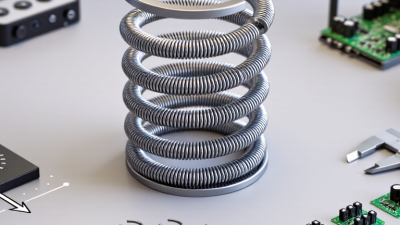
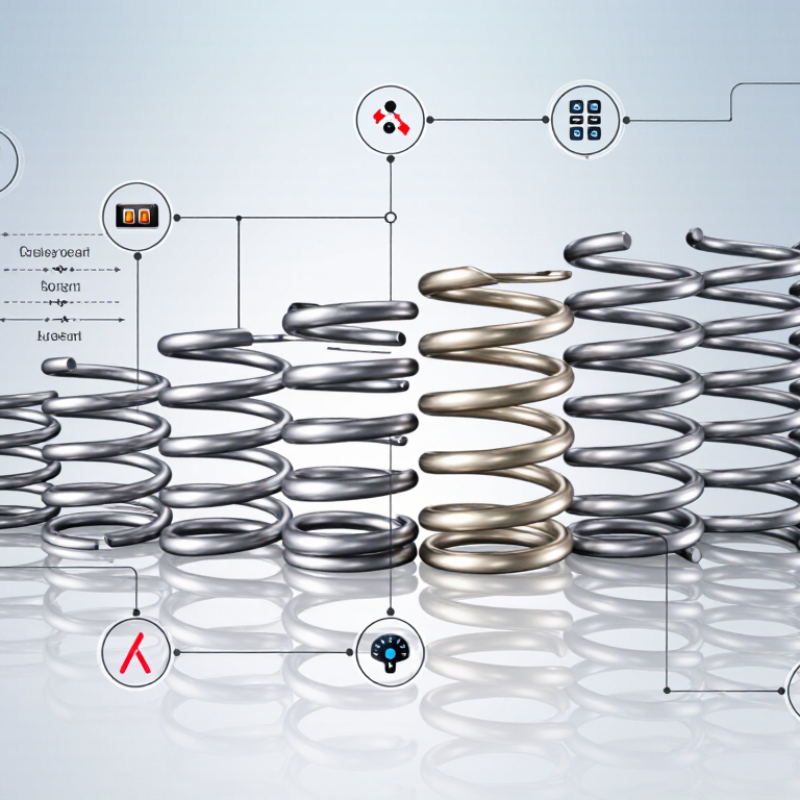
Touch-sensitive springs are small elastic components that detect touch, pressure, or movement inside an interface. The term is not perfectly standardized. In practice, it may describe a conductive coil, a spring contact, or a spring-loaded sensing element.
When a finger presses a control, the spring compresses or shifts. Its position can close an electrical circuit, change resistance, or alter the distance between conductive parts. A controller then reads that variation as a touch signal. Some designs provide a clear click. Others offer quiet, gradual feedback. The response depends on spring material, wire diameter, free height, and surface treatment.
During product testing, engineers usually check actuation force, travel distance, recovery speed, and contact stability. A useful test repeats thousands of presses under changing temperatures. Dust and moisture also matter. Small particles can create inconsistent signals. That detail is easy to overlook.
For global buyers, dimensional accuracy should be confirmed with inspection reports, not only catalog measurements. Ask for force-displacement curves and tolerance data. Samples reveal practical behavior. They can also expose weak plating, noisy contact, or uneven return force. A spring may feel excellent in one device but fail in another. Circuit design, housing pressure, and installation angle all influence performance. More testing is sometimes needed.
Key Specifications for Evaluating Touch-Sensitive Spring Suppliers
2026 Top Touch Sensitive Spring Suppliers for Global Buyers
When evaluating touch-sensitive spring suppliers, start with measurable performance, not polished sales language. Check the spring material, wire diameter, free height, working height, and compression range. These details affect both touch response and mechanical life. Ask for actuation force at defined travel points, such as 0.5 mm and 1.0 mm. Small differences can change the user experience.
Electrical specifications deserve equal attention. Request contact resistance limits, current capacity, insulation conditions, and resistance stability after repeated cycling. A reliable supplier should provide tolerance data, sample test results, and clear measurement methods. Confirm whether testing uses dry air, high humidity, vibration, or temperature changes. Real products rarely work in perfect laboratory conditions.
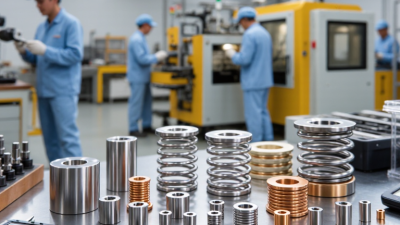
Manufacturing evidence matters. Look for material certificates, coating details, process controls, and batch traceability. Suppliers should explain how they inspect spring shape, surface damage, and contact consistency. Prototype samples are useful, but they can hide production variation. Request samples from normal production, not only selected pieces. This is often overlooked. Also review fatigue results under your actual load profile. A supplier may report one million cycles, yet use a gentler test than your device requires. That gap deserves scrutiny. In practice, the best choice may not be the cheapest quote. It is the supplier that communicates limits clearly and supports repeatable quality.
2026 Top Touch-Sensitive Spring Suppliers for Global Buyers
Key Specifications for Evaluating Touch-Sensitive Spring Suppliers
These reference ranges summarize commonly specified requirements for conductive and touch-sensitive spring components. Buyers should confirm final values against the application’s mechanical, electrical, environmental, and quality requirements.
2026 Supplier Selection Criteria for Global Buyers
For global buyers, selecting a touch-sensitive spring supplier requires more than comparing prices. A supplier should understand force curves, contact stability, fatigue behavior, and assembly tolerances. Ask how these properties are measured. Clear answers often reveal real engineering experience.
Request material certificates, dimensional reports, and sample test data before approving production. Check spring force at defined travel distances, not through vague claims. Suppliers should explain their inspection frequency and calibration process. Traceability matters when thousands of small components enter automated assemblies. It protects quality when defects appear months later.
Production capability also deserves close review. Confirm tooling life, surface treatment controls, packaging methods, and realistic lead times. A supplier may provide an excellent sample but struggle with repeatability. I have seen this happen. An on-site or remote process audit can expose uneven winding, mixed lots, or weak documentation. Communication speed is useful, but technical ownership matters more. Ask for corrective-action records and a pilot run with your actual operating conditions. The selection process is not perfect; supplier scores can hide risks when buyers reward low cost too heavily. Leave room for retesting after transport, humidity exposure, and repeated touch cycles. Reliability is proven gradually, not promised in a brochure.
Top Touch-Sensitive Spring Suppliers by Capability and Region
2026 Top Touch Sensitive Spring Suppliers for Global Buyers
Supplier selection now depends on capability, not catalog size. Touch-sensitive springs need stable force, low electrical resistance, and repeatable deflection. MarketsandMarkets projects the global touch sensor market to reach about USD 25 billion by 2028, with industrial controls and consumer devices driving demand. This growth increases pressure on spring makers to provide tighter process control.
Asia remains strong for high-volume stamping, automated coiling, and cost-sensitive assemblies. European suppliers often emphasize miniature parts, medical traceability, and complex fatigue testing. North American manufacturers typically support rapid prototyping, aerospace documentation, and shorter regional supply chains. These patterns are useful, but not absolute. A capable factory may still struggle with export packaging or engineering communication.
Look for suppliers offering force-displacement testing, contact-resistance measurement, and batch-level material certificates. Stainless steel, copper alloys, and plated spring wire require different tooling and inspection methods. A 2024 report by Grand View Research identifies continued growth in smart-device components, while ISO 9001 remains a practical baseline for documented quality systems. Ask for capability studies, not promises. Request sample lots with actual tolerance data. A polished sample can hide weak production control. That happened in one pilot review I observed. The first parts passed, but spring force drifted after repeated cycling. Local technical support matters more than a low quotation.